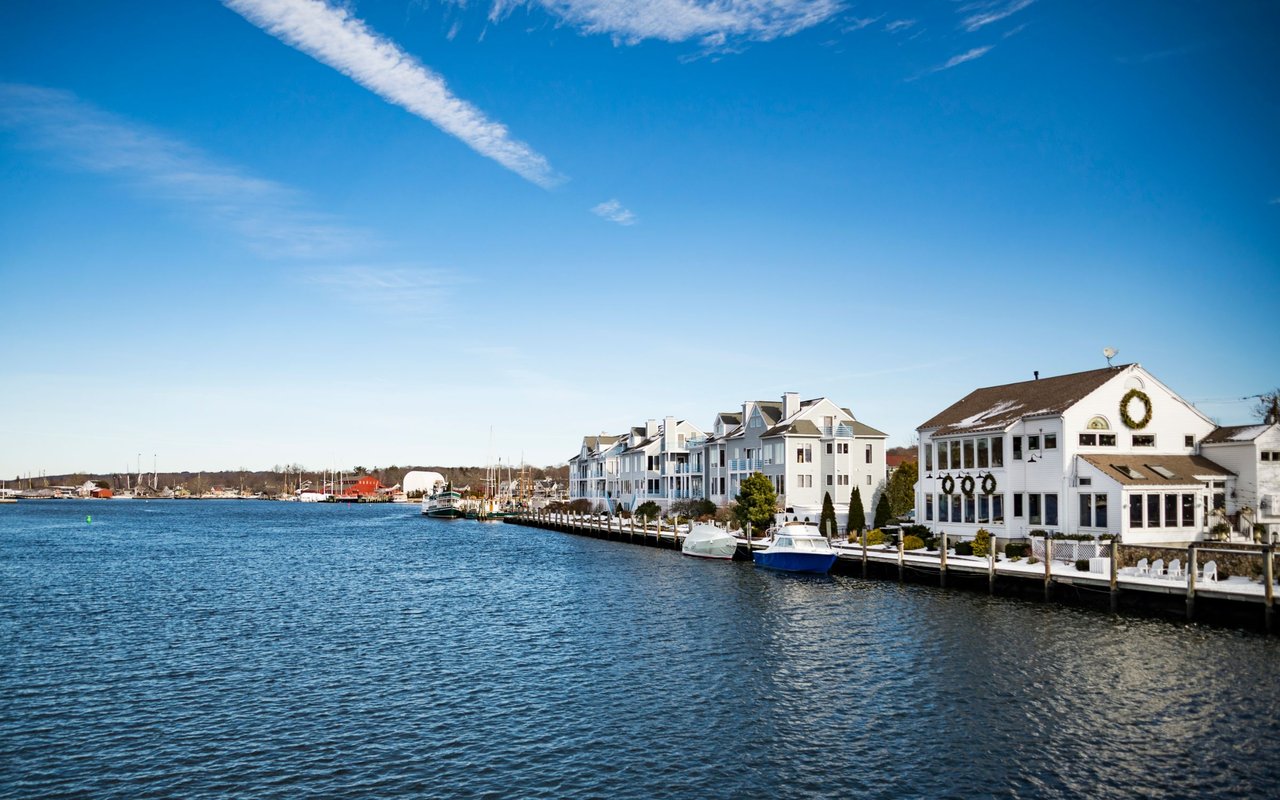
If you picture coastal Connecticut as busy, polished, and crowded in summer, Stonington Borough may surprise you. This small historic waterfront village feels more intimate and lived-in, with a slower daily rhythm, walkable streets, and a harbor that still supports active marine use. If you are wondering what it is actually like to live here, this guide will help you understand the setting, pace, and character that shape everyday life in the Borough. Let’s dive in.
A Small Village With Big Identity
Stonington Borough is the historic waterfront core of the Town of Stonington, and it has a distinct identity of its own. According to the Borough of Stonington, it was chartered in 1801 and is the oldest borough in Connecticut.
That history still shows up in how the community is organized. The Borough is governed by a Board of Warden & Burgesses, which gives it a structure separate from the town’s broader municipal framework.
It is also notably small. In the 2020 Census, the Borough had 979 residents, compared with 18,335 in the Town of Stonington, which includes Old Mystic, Mystic, Pawcatuck, and Stonington Borough across a 42.7-square-mile area. That size difference helps explain why the Borough feels so compact, connected, and village-like.
Daily Life Feels Walkable and Grounded
One of the clearest draws of living in Stonington Borough is how much of daily life happens on foot. The Stonington Borough Merchants Association describes the area as slower, quieter, and lower-traffic than many other coastal destinations, with Water Street serving as the main route for strolling past shops, galleries, boutiques, restaurants, and the old stone lighthouse.
That walkable core shapes the neighborhood experience. Instead of needing to drive for every small outing, you can move through a compact streetscape where local businesses, waterfront views, and public gathering spaces are close together.
The local walking map highlights cafés, an inn, a free library, a cultural center, antiques and design shops, and neighborhood retail clustered along Water Street and nearby blocks. That mix supports a lifestyle that feels convenient without being hurried.
Public Spaces Shape the Rhythm
In Stonington Borough, public spaces are part of everyday life, not just occasional destinations. Places like Wadawanuck Square, Mathews Park, the Borough Playground, and the weekly Stonington Village Farmers Market help create a steady community rhythm throughout the year.
These gathering places add a sense of routine and familiarity. Whether you are heading out for a walk, meeting friends, or spending time near the water, the Borough’s layout encourages simple, repeatable habits that many buyers look for in a village setting.
At the southern tip of Water Street, duBois Beach adds another layer to daily life. It offers picnic space and views of Stonington Harbor, Fisher’s Island Sound, and Little Narragansett Bay, giving residents a small but memorable waterfront spot woven right into the neighborhood.
Waterfront Living Is Part of Everyday Life
In some shoreline towns, the water is mostly a backdrop. In Stonington Borough, it feels more integrated into how people move through the day.
The Borough’s parks and nature resources highlight waterfront paths, preserves, kayak launching at Diving Street, small-boat storage and ramp access near the Town Docks, and the public Wayland’s Wharf pier. For many residents, that means shoreline access is not something set apart from the neighborhood. It is part of the local pattern of walks, recreation, and harbor use.
If you enjoy being near the water without needing a resort-style setting, this can be a meaningful difference. The Borough offers a more rooted kind of coastal living, where the harbor and shoreline feel connected to local life rather than staged for visitors.
Harbor Culture Is Active, Not Just Scenic
One of the most distinctive things about living in Stonington Borough is that the harbor is still working. The Stonington Harbor Management Commission is jointly run by the town and borough and includes a harbor master, deputy harbor master, mooring administrator, and a current harbor management plan.
That structure reflects an active harbor, not just a pretty waterfront. Connecticut DEEP’s coastal access guide, as cited in town materials, identifies the Town Dock Fishing Pier in the Borough and notes that an active marine commercial fishing fleet remains there.
The town also states that the Borough is home to the last major commercial fishing fleet in Connecticut. That adds texture to everyday life here, where boats, docks, and harbor activity are part of the place’s identity and not just visual charm.
Local Traditions Still Matter
Stonington Borough has a civic and cultural life that feels visible and ongoing. The annual Blessing of the Fleet keeps the fishing tradition in public view, while community events and seasonal traditions reinforce a strong local identity.
The annual Art Walk brings artists, music, food, and performances to Water Street and nearby courtyards. The Stonington Village Improvement Association has also long supported community traditions and public places, including duBois Beach, Mathews Park, the farmers market, and Christmas Stroll events.
For you as a resident, that can translate into a stronger sense of continuity. The Borough does not feel like a place that turns on only for peak season. It feels like a place with year-round local patterns and traditions.
Architecture Gives the Borough Its Character
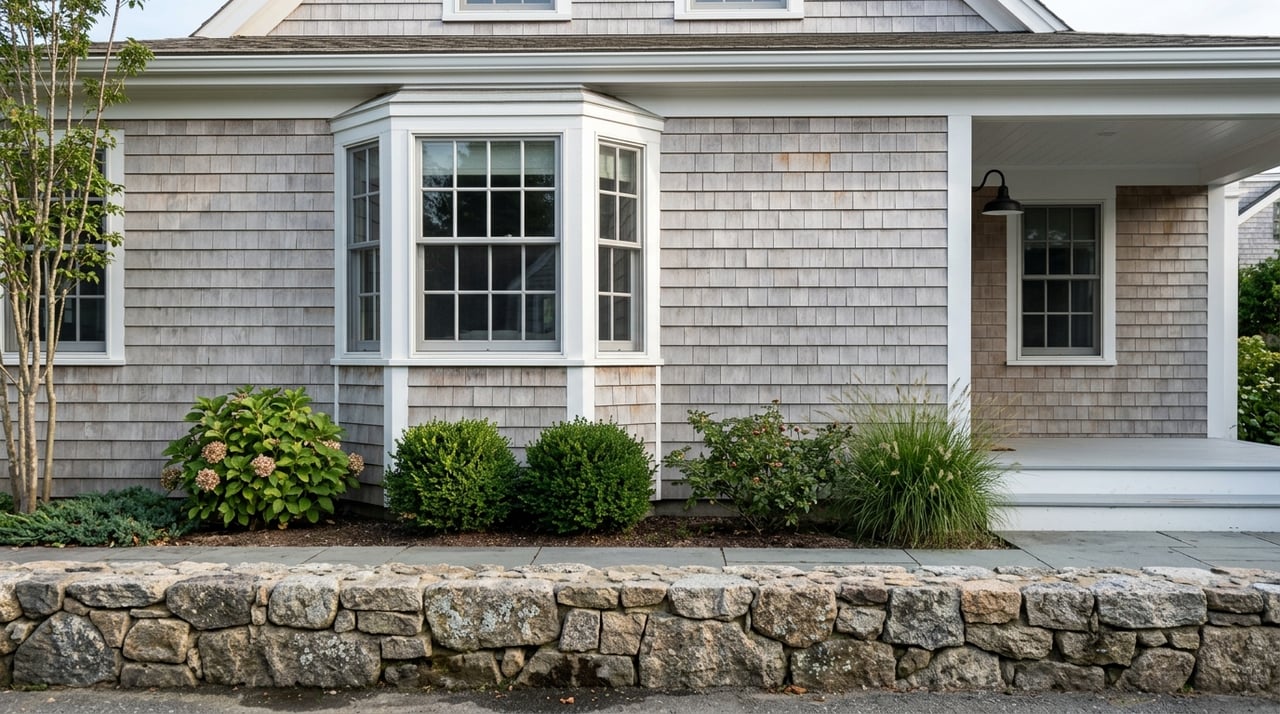
If you are drawn to homes with detail, age, and architectural variety, Stonington Borough stands out. A local walking-tour feature describes the area as a mix of vernacular gambrel cottages, working-class houses, and more formal Federal, Greek Revival, Beaux Arts, and Queen Anne homes.
That variety gives the streetscape a layered feel. You are not looking at one repeated housing type, but a collection of buildings that reflect the Borough’s long maritime and residential history.
Two landmarks help anchor that identity. The Captain Nathaniel B. Palmer House is a National Historic Landmark, and the National Park Service identifies the James Merrill House as both a National Register and National Historic Landmark property.
Historic Stonington also manages the Lighthouse Museum, the Palmer House, and local archives, adding another layer of preservation and storytelling to the village. If you value places where architecture and setting feel inseparable, this is a meaningful part of life in the Borough.
How the Borough Compares to the Broader Town
The Town of Stonington includes several distinct villages and a wider mix of seaside and semi-rural neighborhoods. Stonington Borough is the smallest, most walkable, and most harbor-centered part of that larger town.
That distinction matters if you are deciding where your day-to-day life will feel most natural. In the Borough, you are choosing a tighter footprint, a more concentrated historic village setting, and a closer relationship to the waterfront core.
For some buyers, that means an easier, more walkable lifestyle. For others, it means being part of a place with a stronger sense of visual identity and neighborhood rhythm.
Who Stonington Borough May Suit Best
Stonington Borough often appeals to people who want more than just a coastal address. It can be a strong fit if you are looking for:
- A walkable village setting
- A compact waterfront community
- Historic architecture and preserved character
- Daily access to harbor views, paths, and public spaces
- A quieter pace than busier shoreline destinations
- A place where local traditions still shape community life
It may be especially appealing if you value design, setting, and neighborhood character as much as square footage. The Borough offers a lifestyle that feels curated by history and geography, not manufactured all at once.
What Living Here Really Feels Like
Living in Stonington Borough often comes down to scale and texture. It is small enough to feel personal, historic enough to feel distinct, and active enough to feel real rather than purely picturesque.
You can walk Water Street, spend time near the harbor, visit public gathering spaces, and experience a waterfront community where history, architecture, and marine life are still visible in everyday routines. That combination is what makes the Borough feel different from larger shoreline markets.
If you are considering a move to Stonington Borough or exploring the coastal villages of southeastern Connecticut, working with local guidance can help you understand not just the homes, but the lifestyle behind them. If you want help navigating village-core, historic, or waterfront opportunities, connect with Jonathan Shockley for a thoughtful, place-based conversation.
FAQs
What is Stonington Borough in Connecticut?
- Stonington Borough is the historic waterfront core of the Town of Stonington. It was chartered in 1801 and, according to the borough website, is the oldest borough in Connecticut.
How big is Stonington Borough compared with the Town of Stonington?
- In the 2020 Census, Stonington Borough had 979 residents, while the Town of Stonington had 18,335 residents, making the Borough much smaller and more compact.
What is daily life like in Stonington Borough?
- Daily life in Stonington Borough is shaped by walkability, a slower pace, public gathering spaces, local shops and restaurants, and close access to the waterfront.
Is Stonington Borough walkable?
- Yes. Water Street and nearby blocks form a dense village core with shops, cafés, cultural spots, and public spaces that support a walkable lifestyle.
Does Stonington Borough have beach and harbor access?
- Yes. duBois Beach, Wayland’s Wharf pier, waterfront paths, kayak launching, and small-boat access are all part of the Borough’s shoreline setting.
What makes Stonington Borough different from other coastal towns?
- Stonington Borough stands out for its compact size, active working harbor, historic architecture, and village feel within the larger Town of Stonington.