Thinking about buying acreage in North Stonington? If you love the idea of open space, gardens, and country quiet, you’ll also want a clear picture of how everyday farm life works here. Connecticut’s right-to-farm protections are designed to keep working lands viable, which can shape what you see, hear, and smell on and around rural property.
This guide explains what right-to-farm means in Connecticut, how it shows up day to day, and what to review before you close. You’ll also get a checklist for due diligence and simple etiquette to start off on the right foot with nearby farms. Let’s dive in.
Right-to-farm in Connecticut: The basics
Right-to-farm laws protect farms from being labeled a nuisance when they use generally accepted agricultural practices, often called GAAP. In Connecticut, state law and Department of Agriculture guidance set the framework. The big idea is straightforward: if a farm follows accepted practices and complies with applicable regulations, routine farm activity is typically allowed even if it creates noise, odors, or dust.
These protections usually cover common practices such as tilling, planting, harvesting, running farm equipment, handling livestock, spreading manure, using farm buildings, and applying pesticides or fertilizer. Protections often still apply when a farm changes crops or grows its operation, as long as practices remain within accepted standards and permits.
There are limits. Right-to-farm does not shield negligent or illegal behavior. Health, safety, and environmental laws still apply. Zoning and permitting rules can also apply to structures, septic or well work, and any activity near regulated wetlands. In short, the law protects good farming, not bad actors.
What this means for your day-to-day experience
If you buy land in North Stonington, expect a practical level of farm life around you. That can include early-morning tractor noise, seasonal manure spreading, dust during field work, and slow-moving equipment on local roads. These are normal in a rural town with active agriculture.
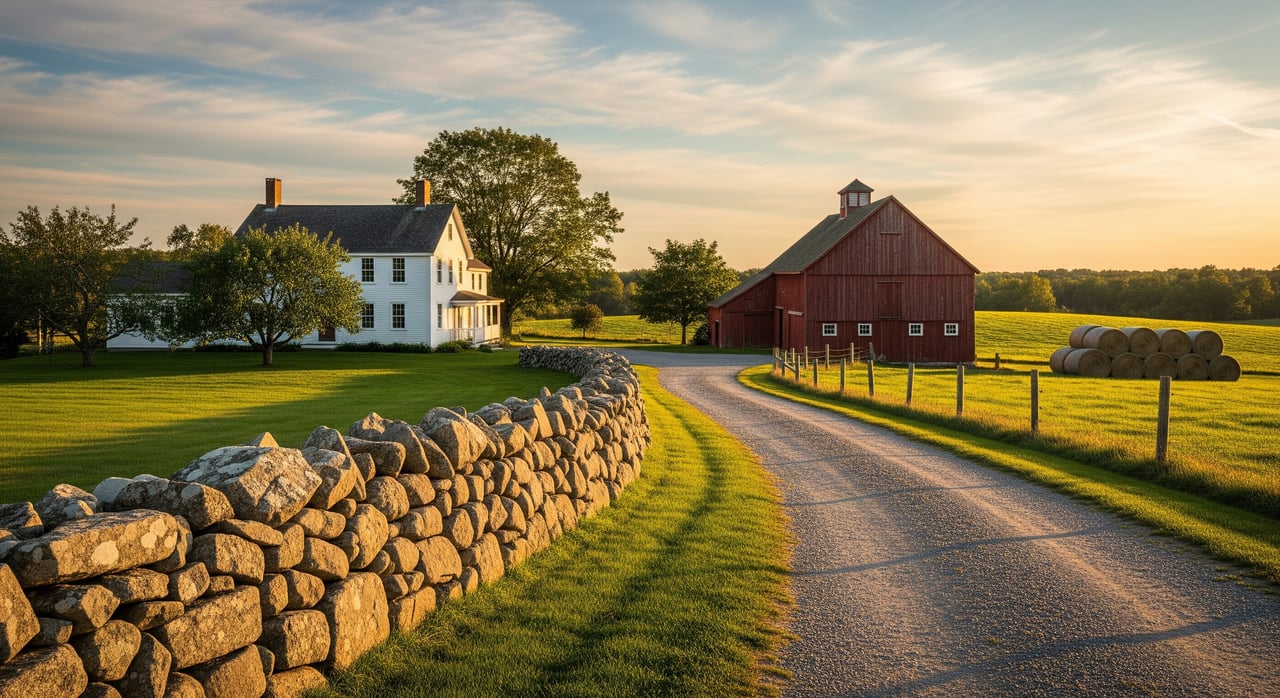
Farms and homes often sit near one another, especially with larger parcels and proximity to state forests and open space. You’ll see a mix of small-to-mid scale operations: vegetable plots, orchards, nurseries, cut flowers, horse farms, and small livestock herds. In busy seasons, you may notice more truck traffic, harvest activity, or spray windows when weather conditions line up.
The takeaway is simple. Right-to-farm protections set expectations. Routine agricultural activity, done by the book, is usually allowed even if it is inconvenient at times.
Due diligence: What to check before you buy
Right-to-farm doesn’t replace your homework. A careful review of records and site conditions can save headaches later. Start with these items.
Documents to request and review
- Title search and survey. Get the current deed, a clear chain of title, and a recent boundary survey that shows fences, structures, and field lines.
- Recorded easements and restrictions. Look for conservation or agricultural easements, utility easements, and road or right-of-way access that could limit use or create shared responsibilities.
- PA 490 status. Confirm whether the land is enrolled in Connecticut’s current-use tax program, commonly called PA 490, and understand rollback conditions if you plan to remove it.
- Farm leases and tenant agreements. Ask for any written leases or known verbal agreements with farmers and clarify access, parking, storage, and shared infrastructure.
- Town records and permits. Review building permits, septic and well permits, soil tests, wetlands permits, and any open code issues.
- Prior complaints or enforcement. Check for past nuisance complaints, town or state enforcement letters, or lawsuits tied to the property or adjoining farms.
- Environmental assessments. If relevant, request wetlands delineations, manure management plans for livestock, and pesticide or herbicide use history near cropping areas.
Questions to ask sellers, neighbors, and town staff
- Seller. How long has the land been used for agriculture? Are there leases? What seasonal operations occur, such as manure spreading, spray windows, or harvest times? Any past disputes?
- Neighboring farmers. What is the typical seasonal schedule? When is tractor or truck traffic heaviest? When do spray applications occur? Are there plans to expand? Who is the best contact for questions?
- Town planner or assessor. What is the zoning district and what farm uses are permitted? What are the setback and structure rules? Does the town have a right-to-farm policy or disclosure expectations?
Professionals to engage
- A real estate attorney experienced with Connecticut farmland and current-use taxation.
- A title company or abstractor to verify easements and restrictions.
- A licensed surveyor if boundaries or encroachments are unclear.
- A local extension agent or agricultural consultant for questions on manure handling, spray drift, or best management practices.
- An environmental consultant when wetlands or state environmental rules may apply.
North Stonington’s local context
North Stonington sits within the Southeastern Connecticut region, where farms and residential properties often sit side by side. Parcels are typically larger than suburban lots, and many properties border conserved open space or state forests. That mix supports a diverse agricultural scene, from horse boarding to cut flowers and market gardens.
Local boards and offices play an important role in what you can do with your land. The Planning and Zoning Commission regulates districts, permitted farm uses, accessory structures, setbacks, and driveway or road access. The Conservation Commission and Inland Wetlands Agency review work near wetlands. The Assessor and land records office can help you verify PA 490 enrollment, land use classification, and any recorded easements.
If a conservation or agricultural easement exists, understand it fully. These recorded restrictions may limit subdivision, commercial uses, structures, or certain activities. They also come with stewardship obligations, including coordination with the easement holder.
Good-neighbor etiquette with nearby farms
Starting off with clear communication and realistic expectations makes rural living smoother. A few simple habits help you avoid friction.
- Introduce yourself early. A friendly visit to learn the farm’s seasonal schedule and the best contact method sets a positive tone.
- Ask before walking fields. Always get permission before crossing private land, and leave gates as you found them.
- Supervise pets and children. Livestock and machinery can create hazards, and farmers need to protect their animals and crops.
- Expect and accept some inconvenience. Seasonal noise, dust, and odors are part of a working landscape, especially in spring and fall.
Simple mitigations that make a difference
- Communication plan. Agree on basics like shared access, parking, and gate closure to avoid misunderstandings.
- Buffers and fences. Consider hedgerows or fencing, subject to town rules and easements, to soften views and reduce dust or odor.
- Timing awareness. Ask about peak planting, spray, and harvest windows so you can plan outdoor events accordingly.
- Record keeping. If an issue recurs, document dates and details. Try polite resolution first, then consider mediation or professional guidance if needed.
Common disputes and how they are handled
Disagreements usually center on timing and intensity. The most common friction points are spray drift concerns, odor or dust during manure spreading and field work, noise during early mornings or late harvests, trespass, pet predation, and road safety around slow-moving equipment.
Most issues resolve through conversation, small schedule adjustments, or better communication. In some cases, mediators or extension educators can help facilitate. Legal steps are a last resort. Right-to-farm protections can limit nuisance claims when farms follow accepted practices and comply with law.
Quick checklist you can use
Before you buy
- Order a title report and recent survey.
- Search land records for easements and restrictions, including conservation or agricultural easements.
- Confirm PA 490 enrollment and understand removal and rollback conditions.
- Request any farm leases, manure or pesticide plans if applicable, and records of complaints or enforcement.
- Visit the property in different seasons and times of day.
- Talk with nearby farmers and neighbors about seasonal operations.
- Meet with Planning and Zoning, Conservation, and the Assessor to confirm zoning, wetlands, and permitted uses.
After you buy
- Introduce yourself to nearby farmers and request seasonal schedules if you want advance notice.
- Keep dogs confined and respect field access.
- Keep records if issues arise and try polite resolution first. Use extension resources, mediation, or legal counsel as needed.
Regional contacts worth knowing
You can learn more and get practical support from:
- Connecticut Department of Agriculture for right-to-farm guidance and farmland resources.
- UConn Extension for best management practices and community outreach.
- USDA NRCS and FSA for conservation programs and technical assistance.
- Town of North Stonington offices, including Planning and Zoning, the Assessor, and the land records office.
- The regional planning agency for open space and land-use planning documents, and local land trusts for easement questions.
Ready to find the right acreage?
Buying land in North Stonington can be a great fit if you appreciate rural character and understand the rhythms of nearby farm life. With clear expectations and thoughtful due diligence, you can protect your plans while being a supportive neighbor in a working landscape.
If you’re weighing parcels or want to sanity-check easements, wetlands, or PA 490 details, we can help you navigate the process with care and clarity. Request a complimentary home consultation with Unknown Company to get started.
FAQs
What does right-to-farm mean for new landowners in North Stonington?
- It sets a baseline that routine, lawful farm activities using accepted practices are typically allowed, even if they create noise, odors, dust, or increased equipment traffic.
Are farms exempt from zoning and permits in Connecticut?
- No. Right-to-farm protections do not automatically exempt farms from required permits, zoning rules, or environmental regulations, including work near regulated wetlands.
Can I stop a neighbor from spreading manure or spraying crops?
- Usually not, if the farm follows accepted practices and complies with laws. Consider communication, buffers, and timing awareness to manage impacts.
What should I review before buying acreage in North Stonington?
- Review the deed, survey, recorded easements, PA 490 status, town permits, any complaints or enforcement, and, if relevant, environmental assessments. Speak with town staff and nearby farmers.
How are farm-related disputes typically resolved in the region?
- Most are settled informally through conversation and minor adjustments. If that fails, mediators, extension educators, or legal avenues may be considered, with right-to-farm protections in mind.