Thinking about buying or selling a North Stonington property with a barn, studio, or shed? In our rural corner of New London County, the right outbuilding can unlock daily convenience, hobby space, and future flexibility. It can also influence how your home shows and sells. In this guide, you’ll learn which structures local buyers love, how to site and design them for New England weather, and what to check for permits, taxes, and insurance. Let’s dive in.
Popular outbuildings buyers ask about
Barns for horses and equipment
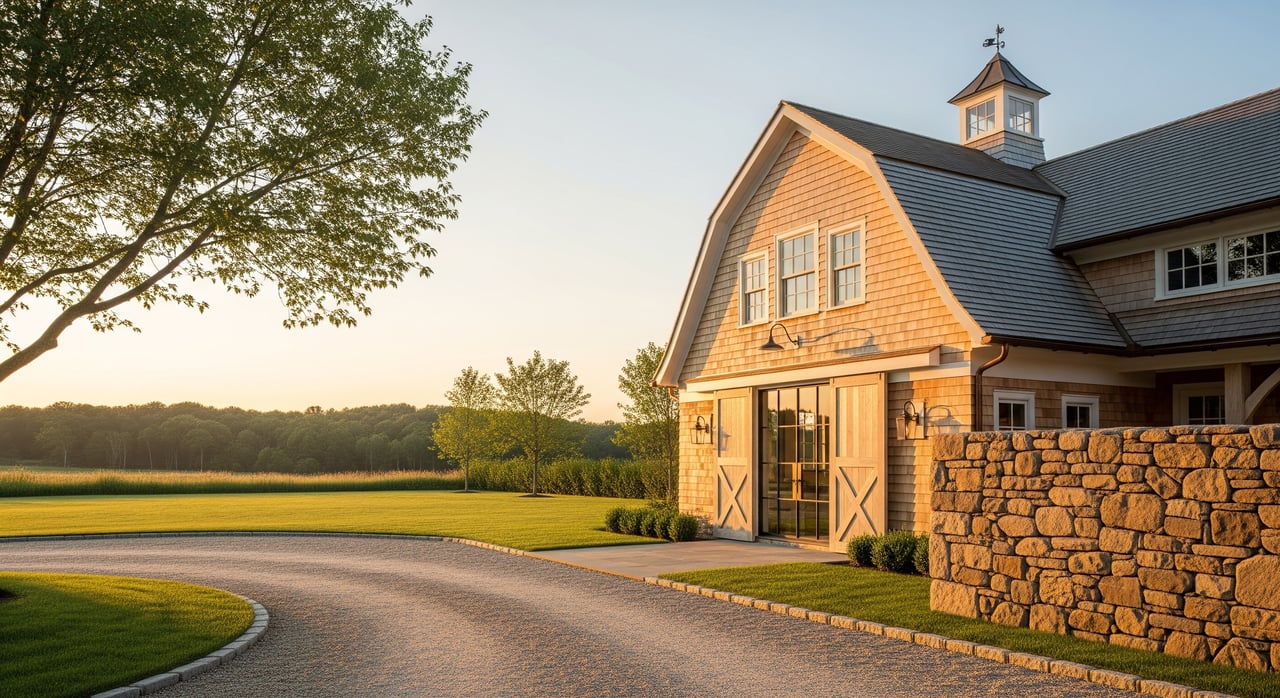
Well-built barns stand out with country buyers. You might see classic gambrel or simple gable forms, sized for horses, small livestock, or tractor and boat storage. Thoughtful siting with fenced paddocks, organized tack or tool areas, and solid doors and hardware signals quality. Buyers also like visible foundations and durable exterior finishes that suggest longevity.
Detached garages and workshops
Detached garages offer clean, dry storage for vehicles and gear, while workshops appeal to makers and contractors. If electric is present, confirm permits and panel capacity. Clear vehicle access, snow-friendly drive surfaces, and a designated tool wall help buyers imagine daily use.
Artist studios and home offices
Natural light, insulation, and finished floors make studios and offices feel like true bonus space. South-facing windows add passive warmth. A simple, cohesive exterior with trim that matches the main house blends the structure into the landscape, which boosts curb appeal.
Garden and potting sheds
Garden sheds are everyday workhorses. Shelving, potting benches, and clean pathways add function. Keep them off low, wet ground and away from septic components. Even a modest shed reads well if it is tidy and integrated with landscaping.
Greenhouses and cold frames
Greenhouses extend the growing season and attract hobby gardeners. Orientation and ventilation matter. In our snow climate, a roof pitch suited to shedding and a plan for winter maintenance go a long way.
Chicken coops and small animal shelters
Coops are popular with country buyers when they are clean, odor-managed, and positioned for easy access. Simple, well-drained runs and predator-resistant construction are positives. Make sure any electrical or water lines were installed with the right permits.
Guest cottages and ADUs
Detached living spaces can add flexibility and long-term value, subject to local zoning and utilities. In North Stonington, rules for size, parking, and septic capacity apply. Buyers value finished interiors, reliable heat, and documented approvals.
Pool houses and recreational spaces
Pool houses, changing rooms, and gear sheds support outdoor living. Buyers look for good ventilation, moisture-resistant finishes, and practical storage. Proximity to the pool, without crowding the main yard, makes these structures feel intentional.
Agricultural buildings
Pole barns and hay storage support hobby farms and small-scale agriculture. Wide doors, clear spans, and durable siding are key. On larger acreage, separate service drives for equipment help with access and snow management.
Smart siting and design
Know setbacks and coverage
Before you build or move a structure, confirm setbacks and lot coverage with North Stonington Planning and Zoning. Typical questions include distance from property lines, front-yard limitations, and total structure percentage on the lot.
Plan access and circulation
Think through the driveway approach, vehicle turning radius, and snow plow paths. On larger parcels, a secondary access to a barn or workshop can reduce wear on the main drive and keep daily life safer in winter.
Run utilities the right way
Adding electric, water, or HVAC changes the scope and often the permit requirements. Trenching distance, inspections, and code-compliant installations increase cost. Plan utility runs early so you do not compromise siting or finishes later.
Respect wells and septic
Keep clear of private wells and septic fields. Health regulations require setbacks, and additional living space may trigger a septic capacity review. If you are buying, ask for any septic evaluations tied to the outbuilding.
Mind drainage and erosion
Avoid low or poorly drained areas. Grade so that water flows away from the building and your neighbor’s land. A simple crushed-stone apron or drip edge can protect the base and reduce splash-back on siding.
Weather, light, and orientation
Use southern exposure
Studios, greenhouses, and potting sheds benefit from south-facing light. Even storage sheds feel better when placed where you can see and reach them year-round.
Prepare for wind and storms
New England weather demands sturdy roof forms and proper anchoring. Protect doors and windows from prevailing winds where possible, and choose roof pitch and overhangs that shed snow reliably.
Plan for snow
Allow room to move snow away from doors and vehicle bays. Keep clear space between the building and fences or plantings so you can maintain all sides, even in February.
Landscape with purpose
Use plantings to screen utility-grade structures or to integrate finished spaces into the yard. Windbreaks, shade, and simple beds can make a small building feel intentional.
Scale and architectural cohesion
Match the house and lot
Keep the outbuilding’s size proportional to your home and acreage. Oversized structures on small lots can hurt curb appeal and may violate zoning.
Coordinate materials and color
Complementary rooflines, siding, and trim build a unified look. Traditional New England details like clapboard, muted earth tones, or barn red often feel at home in North Stonington.
Show quality cues
A visible, true foundation, consistent windows and doors, and neat pathways communicate permanence. Finished interiors with insulation and climate control add flexibility and resale appeal, but they should be permitted when required.
Permits, code, and compliance
When permits apply
Most detached structures beyond a small footprint need building permits and inspections. North Stonington’s thresholds vary by size, foundation type, and whether you add electricity or plumbing. If in doubt, contact Planning and Zoning and the Building Department before starting work.
Building code basics
Connecticut enforces state building codes. Any structural, electrical, plumbing, or HVAC work must meet code. Keeping your paperwork in order will reduce friction during appraisals and inspections.
Unpermitted structures
Unpermitted buildings can lead to negotiations, delays, or fines. Sellers should locate permits now and talk with the building official about retroactive approvals if documents are missing.
ADUs and guest cottages
Zoning and size limits
Detached ADUs depend on local zoning. Rules typically address size caps, parking, and whether separate utilities are allowed. Verify the path with North Stonington Planning and Zoning early in your process.
Septic and wells
Added living space often requires a septic capacity review and sometimes upgrades. Plan for this during due diligence if you are buying or before listing if you are selling.
Taxes, insurance, and liability
Assessments and taxes
New or improved outbuildings can change your taxable value. The town assessor values structures according to local schedules. Report improvements and keep records of major work.
Insurance coverage
Many policies include some coverage for detached structures, but workshops with high-value tools, barns with animals, or rental cottages may need endorsements or separate policies. Insurers will want building details, contents lists, and sometimes photos.
Liability considerations
If you run a business or rent a guest cottage, review your liability limits. Additional coverage can be prudent when more people use the property.
Maintenance and lifecycle planning
Routine upkeep
- Inspect roofs, flashing, and gutters for snow and ice damage.
- Recoat or repaint siding and trim as needed.
- Check door seals and window casings for water intrusion.
- Manage pests and keep base areas clear of vegetation.
Utilities and winterization
Heated or plumbed outbuildings need insulation and freeze protection. Seasonal structures like greenhouses may require winter bracing or coverings.
Conversions and upgrades
Turning a storage barn into a finished studio or living space often means structural upgrades, insulation, HVAC, and full code compliance. Set realistic budgets and timelines with local contractors.
For buyers: what to look for
Positive signals
Permitted, well-integrated outbuildings that fit the property’s scale stand out. A horse barn with functional paddocks or a studio with natural light and permitted electric can tip a decision.
Red flags
Temporary structures, water stains, sagging roofs, or unpermitted work can lead to price reductions or repair requests. Build condition-based contingencies into your offer where appropriate.
Due diligence checklist
- Ask for permits, plans, and inspection records.
- Confirm utility installations and panel capacity.
- Review septic information if any outbuilding includes plumbing.
- Check siting relative to wells, septic, and wetlands.
For sellers: prep, documentation, and staging
Gather your paperwork
Have copies of permits, plans, inspection reports, and invoices. Include warranties for roofing, windows, or HVAC. Keep notes on utility hookups and septic capacity if relevant.
Stage the space
Declutter barns and sheds, organize tools, and show clear pathways. Present finished studios as usable rooms rather than overflow storage. Simple landscaping and exterior touch-ups help photos and showings.
Disclose proactively
Share known defects, past repairs, and any rental or commercial use history. Transparency reduces surprises during inspections and appraisal.
Value, comps, and negotiation
How value shows up
A garden shed adds convenience but may not move price by much. A finished ADU or a well-built horse barn can materially increase marketability and value with the right buyer segment.
Use local comparables
When you price or evaluate impact, look at nearby sales with similar outbuildings. Local comps reveal how buyers value specific structures in North Stonington.
Avoid pitfalls
Expect buyers to request repairs for roofs, structural issues, or pests. Have your documentation ready to keep negotiations on track.
Local checks and who to call
- North Stonington Planning and Zoning or Land Use Office for setbacks, lot coverage, and permits.
- North Stonington Building Department for building permit thresholds and inspections.
- Local health district or the Connecticut Department of Public Health for well and septic guidance.
- Connecticut Department of Energy and Environmental Protection for wetlands and conservation considerations.
- FEMA Flood Map Service Center to confirm flood zones.
- USDA NRCS Web Soil Survey for soil and drainage data on rural lots.
- Town Assessor for assessment questions and how accessory structures are valued.
- Local contractors and barn builders with New England experience for realistic cost and timeline estimates.
- Insurance agents who understand rural properties for appropriate coverage.
A well-planned outbuilding is more than extra space. It is a daily convenience, a lifestyle upgrade, and in many cases a smart move for resale. If you are weighing a purchase, preparing to list, or sketching out a new studio or barn, we can help you evaluate siting, design cohesion, and the paperwork that keeps deals smooth. Start a conversation with Jonathan Shockley to review your property and goals.
FAQs
Do I need a permit for a shed or barn in North Stonington?
- Most structures beyond a small footprint require permits; confirm thresholds with Planning and Zoning and the Building Department before building or adding utilities.
How do outbuildings affect my property taxes in North Stonington?
- New or improved outbuildings can change assessed value; report upgrades and consult the town assessor about how your structure will be valued.
Can I convert a barn into a legal guest cottage or ADU?
- Possibly, but you must address zoning limits, building code, utilities, and septic capacity; verify feasibility with Planning and Zoning and the health authority early.
What maintenance issues should I expect with New England outbuildings?
- Common needs include snow and ice management, roof and siding upkeep, water intrusion checks, pest control, and seasonal winterization of utilities.
Will a chicken coop or greenhouse hurt resale in North Stonington?
- Usually not; cleanliness, odor management, and thoughtful siting tend to make them neutral to positive with country buyers.
What should sellers disclose about existing outbuildings?
- Provide permits, known defects, past repairs, warranties, and any rental or commercial use history to reduce inspection and appraisal friction.