Looking for land or a farmhouse in North Stonington? It can be an exciting move, but it also comes with a different set of questions than a typical home search in a more built-up market. Here, your decision often depends just as much on zoning, wells, septic, frontage, and land-use rules as it does on the house itself. If you understand those factors early, you can shop with more confidence and avoid costly surprises. Let’s dive in.
Why North Stonington Feels Different
North Stonington is shaped by its rural identity. The town describes itself as hilly, farm-oriented, and deeply connected to open space, with more than 20,000 acres protected as open space, forest, farmland, recreation areas, and conservation easements.
That context matters when you buy here. Instead of focusing only on finishes, square footage, or proximity to the shoreline, you may also need to think about whether a parcel is buildable, what uses are allowed, and how the land itself will affect your plans.
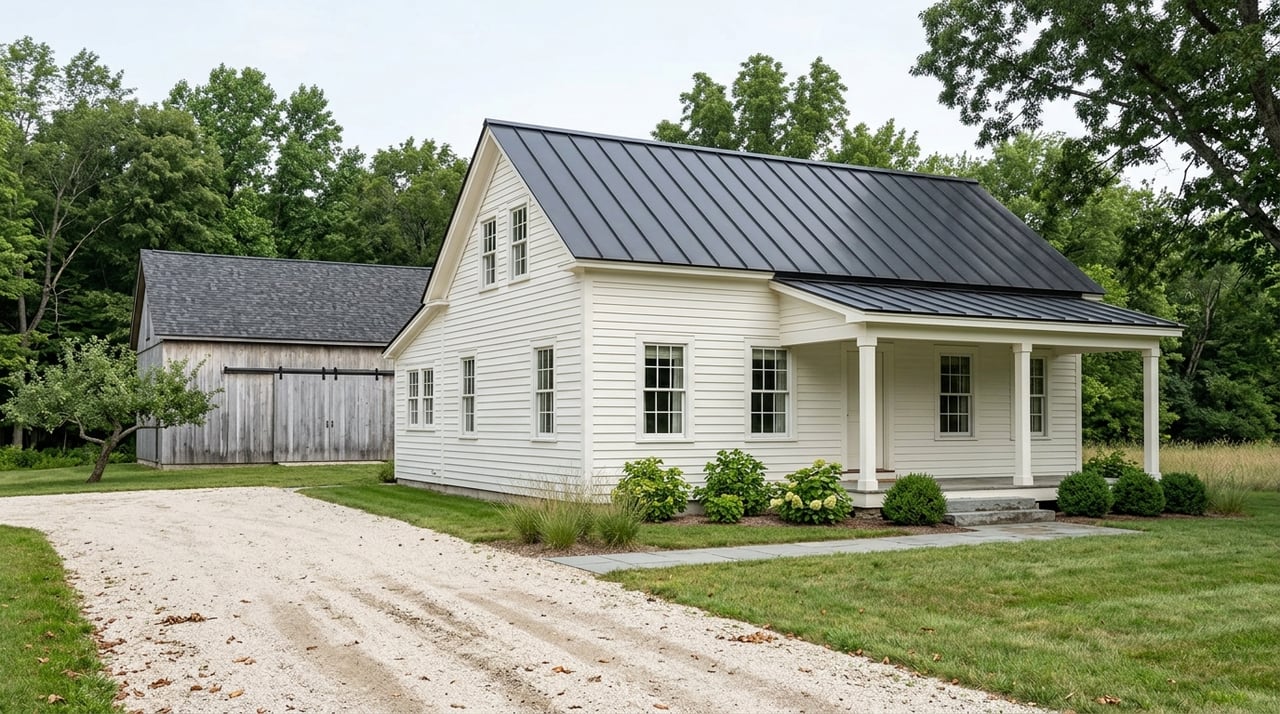
The town also notes that dairy farming remains its principal industry, and local zoning rules say preserving existing farms and encouraging new farming are important community goals. In practical terms, that means North Stonington often makes the most sense for buyers who appreciate country homes, older village properties, farm parcels, and legacy rural lots.
Start With Zoning
If you are buying land or an older farmhouse, zoning should be one of your first checks. North Stonington is divided into eight zoning districts, including rural-preservation residential districts such as R40, R60, and R80, which generally reflect 1-acre, 1.5-acre, and 2-acre patterns.
Just as important, some parcels are also affected by overlay areas, including Village Preservation, Aquifer Protection, and Seasonal Use. The overlay rules supersede the underlying district, so the zoning label alone does not tell the whole story.
The town’s zoning overview states that all construction, establishing a use, or changing a use requires a zoning permit. It also says any use not specifically listed in the regulations is prohibited.
That means your intended use should be reviewed early. If you hope to renovate a farmhouse, create a small hobby farm setup, expand a structure, or change how a property is used, you will want to confirm what is permitted before you get too far into the process.
Why Intended Use Matters
In North Stonington, not every project is reviewed the same way. Some uses are approved by staff, some require site plan approval, and some special permits require a public hearing.
For you, that can affect timing, cost, and complexity. A parcel that looks ideal at first glance may become more complicated if your plans trigger additional review.
Buildability Comes Before Vision
A beautiful piece of land is not always a simple building site. North Stonington’s regulations say a lot may not be built upon unless it has continuous frontage that meets applicable requirements on a public road.
This is one reason raw land purchases need careful diligence. Before you assume you can build a home, add a driveway, or divide a parcel later, you should confirm road frontage, access, and whether subdivision or resubdivision rules apply.
The town’s land-use materials reflect that step-by-step process. There are separate application packets for accessory structures, new single-family homes, and subdivision or resubdivision, which shows how important it is to match your plans to the correct approval path.
Older Lots Need Extra Attention
North Stonington also has a Seasonal Use Overlay Area. This overlay is meant to provide flexibility for seasonal residential uses on small lots created before May 21, 1964.
If you are considering an older cottage-style property or a legacy lot, that history may matter. Questions about year-round use, expansion, or replacement construction may not be straightforward, so it is worth looking closely at how the parcel fits within the overlay rules.
Wetlands, Aquifers, and Drainage Can Shape the Deal
In a rural market, site conditions can carry as much weight as the home itself. North Stonington has an Inland Wetlands and Watercourses Commission that enforces state inland wetlands law and reviews regulated activities affecting wetlands and watercourses in town.
The town also operates an Aquifer Protection Agency under state aquifer-protection law. That is a strong signal that groundwater protection is a major part of land-use review in North Stonington.
For buyers, this means wetlands or aquifer constraints can affect where you build, how you expand, and what site work may be required. In some cases, projects in water-supply or aquifer-related contexts require notice to water companies and the Commissioner of Public Health.
Stormwater rules can also matter. The zoning regulations say larger disturbances may trigger a stormwater management plan, especially if more than one acre is disturbed, or one-half acre in the Seasonal Use or Water Supply Protection overlay areas.
Do the Map Homework Early
The town provides GIS mapping tools and also lists FEMA flood mapping and land records among its resident resources. For you, that creates a practical checklist before you move too far forward on a property.
Review the parcel on the town map, then confirm access, drainage, flood exposure, and any recorded restrictions. On a country property, those details can be the difference between a straightforward purchase and a long list of follow-up questions.
Wells and Septic Are Core Buying Questions
Many North Stonington properties do not fit the expectations buyers may have in denser markets. On rural parcels, utilities should be verified early instead of assumed.
The town’s single-family residence packet shows that wetlands and zoning are reviewed first, then septic and well approval is required through the Town Sanitarian, which is Ledge Light Health District. That sequence alone tells you how central site utility approvals are to the process.
Ledge Light Health District reviews and permits subsurface sewage disposal systems, conducts soil evaluations and percolation tests, and requires permits for new systems, repairs, additions, certain accessory structures or outbuildings, bedroom increases, pools, and lot-line revisions. If you are buying a farmhouse with plans to expand, that can directly affect what comes next.
For wells, Ledge Light Health District states that it is responsible for ensuring on-site wells are installed and maintained sanitarily, with proper separation distances from pollution sources such as septic systems. The Connecticut Department of Public Health also states that local health departments and districts have authority over private well siting and approval before construction, while private well owners are responsible for testing their water.
Never Assume Utility Service
North Stonington’s residents page lists the Southeastern Connecticut Water Authority as the water provider, but that does not mean every parcel has public water. A specific property may be served by public water, a private well, a private septic system, or a combination.
That is why parcel-level verification matters. If you are buying land or a farmhouse, utility answers should come early in your due diligence, not after inspections begin.
Barns, Sheds, and Outbuildings Need a Closer Look
One of the most common country-property questions is whether you can build a barn, garage, tack room, or storage building right away. In North Stonington, the answer depends heavily on the parcel and its approved use.
The zoning regulations state that no accessory structure or accessory use is allowed on a lot until a principal use or principal structure already exists, except for limited shed provisions in the Seasonal Use Overlay Area. That can surprise buyers who plan to build the barn first and the house later.
At the same time, the regulations explicitly allow agriculture as a principal use in the R40, R60, R80, and I districts. They also define agricultural buildings as structures used for livestock, machinery, and supplies.
So the same building may be treated differently depending on whether the parcel is simply residential or truly agricultural in use. If your vision includes animals, equipment storage, or working land, this is an area where early clarity can save time.
Farm Tax Status Is Worth Reviewing
If you are buying farmland or a property with agricultural potential, ask whether the parcel is in PA 490. Connecticut’s Public Act 490 allows qualifying farmland, forest land, waterfront, and open space to be assessed at current-use value rather than fair market value.
The state says this process considers factors such as land characteristics, soil type, and rental rates. North Stonington’s assessor page also points buyers to PA 490 information and to exemption forms related to certain farm buildings, farm machinery, and horses or ponies.
That does not mean every rural parcel qualifies, but it does mean tax classification deserves an early review. If a property is being marketed as farmland or as having agricultural utility, you will want to understand how it is currently classified and what that may mean going forward.
A Smart Buying Approach in North Stonington
When you buy in North Stonington, it helps to think beyond the home itself. The strongest purchases usually begin with a clear understanding of what the land can support, what approvals may be needed, and how your intended use fits local rules.
A simple framework can help:
- Confirm the zoning district and any overlay areas
- Check whether your intended use is allowed
- Verify road frontage and buildability
- Review wetlands, aquifer, drainage, and flood-map factors
- Confirm whether the parcel uses public water, a private well, septic, or a combination
- Ask about outbuildings, additions, and any future expansion plans
- Review land records and tax classification, including any PA 490 status
North Stonington can offer a special mix of open land, historic character, and rural privacy. But the best experience usually comes when you treat due diligence as part of the property search, not as an afterthought.
If you are considering land, a farmhouse, or a country home in North Stonington, we can help you evaluate the practical details with a calm, local, design-aware approach. Reach out to Jonathan Shockley for thoughtful guidance as you search.
FAQs
What should you check first when buying land in North Stonington?
- Start with zoning, overlay areas, frontage, and whether your intended use is permitted under North Stonington regulations.
How do wetlands affect a North Stonington property purchase?
- Wetlands and watercourses can affect where you build or expand, and some regulated activities may require review by the Inland Wetlands and Watercourses Commission.
Do North Stonington farmhouses usually have public water and sewer?
- You should not assume that. A property may have public water, a private well, a private septic system, or a combination, so parcel-level verification is important.
Can you build a barn before a house in North Stonington?
- In many cases, accessory structures are not allowed until a principal use or principal structure exists, unless a specific exception applies.
What is PA 490 for North Stonington farmland?
- PA 490 is Connecticut’s current-use assessment program for qualifying farmland, forest land, waterfront, and open space, and it can affect how a property is assessed for tax purposes.