If you are thinking about buying a condo or loft in Stonington Borough, you are not just choosing a home type. You are choosing a very specific coastal setting with historic streets, compact blocks, and a daily rhythm shaped by the harbor. That can be exciting, but it also means your buying checklist should go deeper than square footage and finishes. This guide will help you understand what to look for, what questions to ask, and how to evaluate a Borough condo or loft with confidence. Let’s dive in.
Why Stonington Borough Feels Different
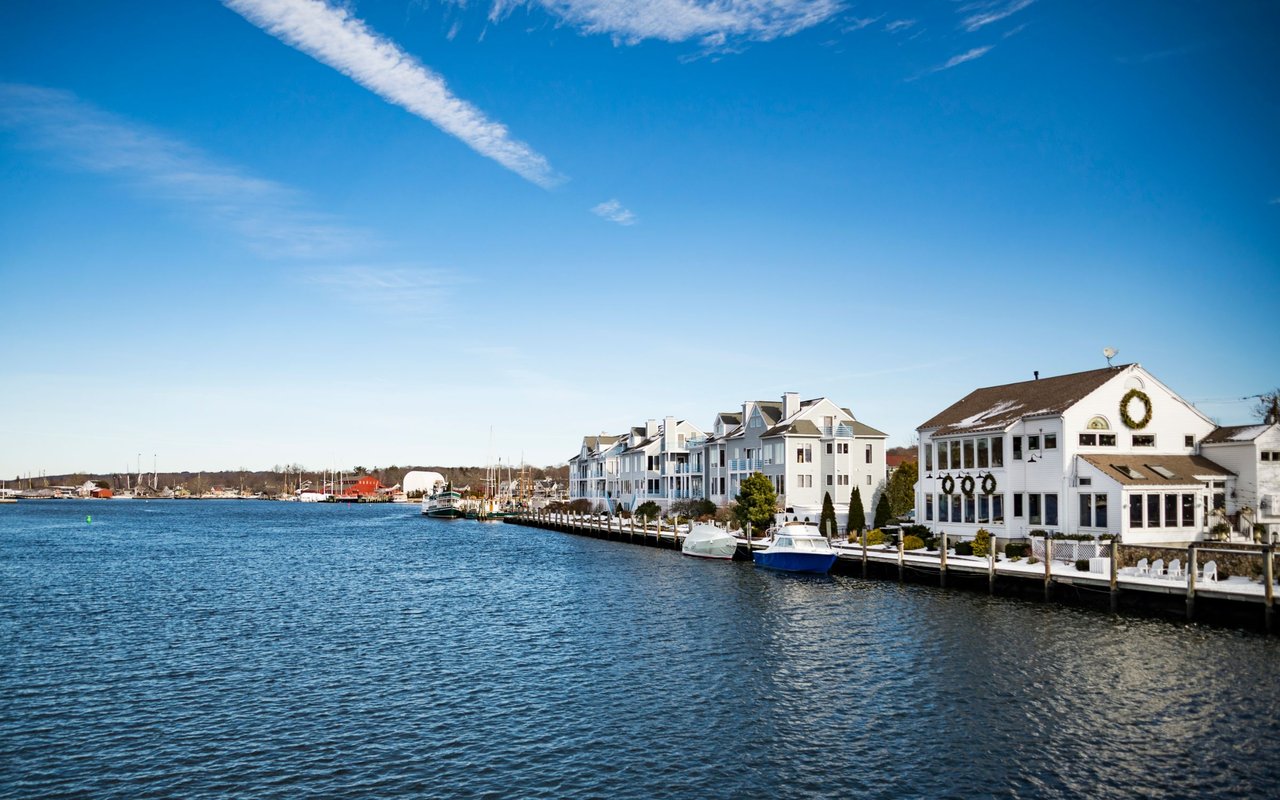
Stonington Borough is the oldest borough in Connecticut, incorporated in 1801. It has a long whaling-port history and still has an active commercial fishing presence today. That gives the Borough a character that feels distinct from a more typical shoreline town.
For buyers, that character comes with practical realities. Buildings are often close together, streets are narrow, and many homes do not have garages. In a condo or loft purchase, that means parking, access, and shared building logistics deserve as much attention as the interior itself.
What a Condo or Loft Usually Means Here
In Stonington Borough, condo and loft opportunities are often different from what you might find in a larger suburban development. The local setting makes small-scale conversions, upper-floor residences, and mixed-use buildings more likely than large condo campuses.
That matters because the ownership experience is usually more layered. You may have less exterior maintenance than you would with a standalone house, but you are also more likely to deal with association rules, shared systems, and close-quarter living. In a historic village setting, those tradeoffs are worth understanding before you make an offer.
Understand the Borough Approval Process
One of the biggest local details to know is that Stonington Borough has its own zoning code, separate from the Town of Stonington. Exterior modifications or new construction need Borough zoning approval first. The Town will not issue a building permit or certificate of occupancy until Borough zoning compliance is in place.
The Town Planning Department also handles coastal area management reviews, flood plain determinations, site plan approvals, and zoning permits. If you are buying a condo or loft and hoping to make exterior changes later, that local review process should be part of your planning from day one.
Know What You Are Buying Legally
In Connecticut, a condo is part of a common interest community. That means your ownership of a unit comes with obligations tied to shared property, which can include taxes, insurance, maintenance, improvements, or services related to the common elements.
Association rules can also regulate conduct and the use, maintenance, repair, replacement, modification, or appearance of the community. In simple terms, your ownership rights are real, but they exist within a framework of shared governance. That framework should be clear before you commit.
Review the Connecticut Resale Package Carefully
For a resale condo in Connecticut, the seller is generally required to provide a key set of documents. This package includes the declaration, bylaws, rules, and a resale certificate with important financial and operational details.
That certificate can disclose:
- Current dues
- Unpaid assessments
- Other fees
- Planned capital expenditures
- Reserve balances
- The current operating budget
- Judgments or pending suits
- Foreclosure activity
- Insurance coverage
- Leasing restrictions
- Sale restrictions
- Delinquent owners
- Recent CPA reporting history
- Any established maintenance standards
For many buyers, this is the most important paper trail in the transaction. A beautiful top-floor loft with harbor light can still be the wrong fit if the association has weak reserves, pending litigation, or restrictive rules that do not match how you plan to use the property.
Small Associations Need Extra Attention
Not every Borough condo will look or function like a large professionally managed community. Some properties may be very small, and some very small communities can be exempt from certain resale-certificate requirements under Connecticut law.
That makes direct questions even more important. If the building has only a handful of units, ask how records are kept, how repairs are approved, and how owners handle shared costs. Smaller communities can feel simple and flexible, but they can also be less formal in ways that affect your risk.
If It Is a Loft Conversion, Verify the Structure
Loft-style properties can be especially appealing in a village setting. They often offer character, light, and a more distinctive layout than a conventional condo.
They can also come with added legal questions. If the property was created as a conversion building, ask about the exact legal form of the project and whether any conversion-specific disclosures were required. That extra step can help you understand both your ownership rights and the building’s compliance history.
Monthly Dues Are Only Part of the Cost
It is easy to focus on the monthly condo fee, but that number only tells part of the story. In Connecticut, assessments must be based on an annual budget, and special assessments may be adopted under statutory rules that can allow them to take effect without owner approval unless the declaration or bylaws require more.
That is why reserve strength matters so much. A lower monthly fee can look attractive at first, but if the building needs major exterior work and the reserves are thin, your real cost of ownership may be higher than it appears.
Ask These Financial Questions Before You Offer
Before making an offer, try to get clear answers to questions like these:
- What are the current monthly dues?
- How much does the association have in reserves?
- Are any capital projects planned?
- Has the association discussed a special assessment?
- How many owners are delinquent?
- Are there pending lawsuits or foreclosure actions?
In a coastal village, building systems and exterior upkeep can be expensive. A healthy budget and a realistic reserve plan can make a major difference in both your day-to-day costs and your long-term peace of mind.
Clarify Maintenance Responsibilities
Under Connecticut law, the association is generally responsible for maintenance, repair, and replacement of the common elements. Each unit owner is generally responsible for maintenance, repair, and replacement of the unit itself.
That sounds straightforward, but the details matter. In a condo or loft building, you should ask specifically about windows, balconies, decks, roofs, and shared systems. Those are often the areas where buyers make incorrect assumptions.
Insurance Matters More Near the Coast
Insurance is another area where shared ownership needs close review. Connecticut law requires the association to maintain property insurance on the common elements and flood insurance if the building is in a flood hazard area.
In buildings with attached units, the policy is generally expected to include the units and owner-installed improvements and betterments when reasonably available. In communities with more than twelve units, the association must provide a schedule of standard fixtures, improvements, and betterments so owners can better coordinate their own insurance coverage.
For you as a buyer, the takeaway is simple. Do not assume the association policy covers everything inside your walls. Review what the master policy covers, then compare that with the personal coverage you may need.
Floodplain Questions Are Essential in the Borough
In Stonington Borough, floodplain review is not just a background issue. The Borough’s site-plan form asks whether a project is in a flood zone and whether it qualifies as a substantial improvement.
The Borough defines substantial improvement as repairs, reconstruction, alteration, or improvements within a one-year period that reach 50 percent or more of the structure’s market value. If that threshold is met, a current elevation certificate and proof of FEMA floodplain compliance must be presented before approval.
Even if you are buying an existing unit and not planning immediate work, floodplain status can affect insurance, future renovation plans, and the building’s long-term maintenance strategy. It is worth confirming early.
What to Watch in a Coastal Building
Because of coastal exposure and local floodplain standards, exterior systems deserve careful attention. In Stonington Borough, maintenance diligence should focus on the building envelope and how well the property has been prepared for salt air, weather, and water risk.
Pay close attention to:
- Roof condition
- Exterior envelope integrity
- Window condition
- Drainage performance
- Storm preparation measures
- Signs of corrosion
- Reserve funding for exterior work
These details may not be as eye-catching as water views or interior finishes, but they often shape your ownership experience just as much.
Parking Can Affect Daily Life More Than You Expect
In many markets, parking is a convenience question. In Stonington Borough, it can be a lifestyle question.
The Borough guide notes that most homes do not have garages and that street parking is common. If a condo or loft does not include deeded parking, ask how parking works day to day, whether there are seasonal or winter rules, and how guests typically manage. In a compact historic area, this can be a bigger factor than many buyers expect.
Water Views Can Add Value, but So Can Practicality
Research focused on Connecticut coastal property shows a useful pattern. Waterfront homes tend to command a premium, while properties in the 100-year flood zone have shown a modest discount. More broadly, the value of a Borough condo or loft is likely shaped by both amenity and risk.
That means a unit with a strong water view may command more, but the premium can be influenced by flood exposure, insurance cost, parking, floor level, elevator access, and association health. In this market, the most appealing home is not always the one with the biggest view. Often, it is the one with the best balance of setting, usability, and building fundamentals.
A Smart Buyer Checklist for Stonington Borough
Before you make an offer on a condo or loft in Stonington Borough, keep this checklist handy:
- Confirm whether the property is a condo, conversion condo, or another common-interest form
- Request the declaration, bylaws, rules, and resale certificate package
- Review dues, reserves, budget, and any planned capital work
- Ask about special assessment history or risk
- Check for owner delinquencies, suits, or foreclosure actions
- Review the association’s insurance coverage, including flood insurance if applicable
- Clarify owner versus association maintenance responsibilities
- Ask about rental, leasing, pet, or exterior-change restrictions
- Understand parking arrangements and local street-parking realities
- Confirm floodplain status and ask whether an elevation certificate is available
- Check for open permits or exterior changes still needing Borough approval
- If it is a loft conversion, verify whether conversion-specific disclosures applied
How to Buy With More Confidence
A condo or loft in Stonington Borough can be a wonderful fit if you want village energy, coastal character, and a lower-maintenance alternative to a standalone home. The key is to evaluate the building with the same care you give the unit itself.
That means looking beyond staging, views, and finishes. When you understand the association, the legal structure, the floodplain context, and the day-to-day realities of parking and maintenance, you put yourself in a much stronger position to buy well.
If you are weighing a condo, loft, or village home in Stonington Borough, we can help you compare the tradeoffs with a local, design-aware lens. Reach out to Jonathan Shockley for a thoughtful conversation about what fits your goals best.
FAQs
What should you review before buying a condo in Stonington Borough?
- You should review the declaration, bylaws, rules, resale certificate package, budget, reserves, insurance coverage, maintenance responsibilities, parking setup, and any floodplain or zoning issues tied to the building.
Why do association reserves matter for a Stonington Borough condo or loft?
- Reserve balances can help show whether the association is financially prepared for major repairs and capital projects, which is especially important in a coastal building where exterior maintenance can be costly.
How does parking work for condos and lofts in Stonington Borough?
- Parking varies by property, and because many Borough homes do not have garages and street parking is common, you should ask whether parking is deeded, shared, or primarily on-street.
Are flood zones important when buying a condo in Stonington Borough?
- Yes. Floodplain status can affect insurance, future renovation plans, and local approval requirements, so it is important to confirm whether the building is in a flood zone and whether an elevation certificate is available.
What is different about buying a loft conversion in Stonington Borough?
- A loft conversion may have additional legal and disclosure questions, so you should confirm the project’s exact legal structure and ask whether any conversion-specific disclosures were required under Connecticut law.
Who handles exterior changes for a condo in Stonington Borough?
- Exterior work may involve association approval and Borough zoning review, because the Borough has its own zoning code and the Town will not issue certain approvals until Borough zoning compliance is in place.