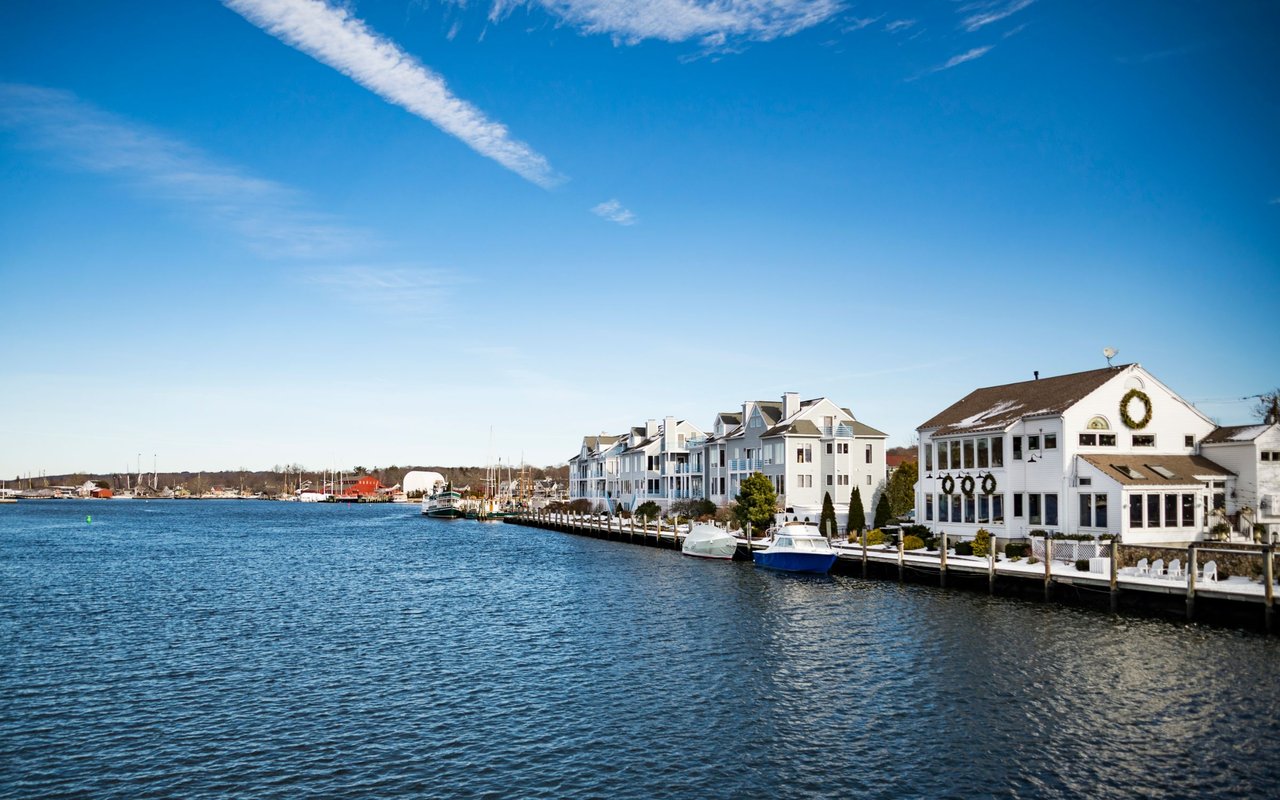
Craving salt air, walkable village streets, and a calmer pace without losing touch with Boston or New York? If you’re considering a coastal move, Stonington offers a refined New England setting with real commuting options and a mix of historic charm and turnkey homes. You want a clear, practical picture before you start touring. In this guide, you’ll learn how Stonington works day to day, what neighborhoods feel like, the coastal details that change ownership costs, and a simple framework to shortlist homes from afar. Let’s dive in.
Where Stonington fits on the map
Stonington sits in southeastern Connecticut on Long Island Sound, bordered by Mystic to the west and Rhode Island to the east. The town includes several distinct village areas: Stonington Borough on a narrow peninsula, Mystic (partly in Stonington), Pawcatuck on the Rhode Island line, and small coastal enclaves such as Lords Point, plus inland pockets that feel more rural. If you’re comparing shoreline towns, start with the town’s overview to ground your search and vocabulary about local villages and amenities. You can find a helpful snapshot on the Town of Stonington’s “About” page.
Commuting from Stonington
If you need predictable access to Boston, New York, or Long Island, plan your route early and pressure‑test it.
Driving
Most trips run along I‑95. The drive from downtown Boston to Stonington is roughly 97 miles and often takes about 1.5 to 2 hours in light traffic. Peak hours and summer weekends can add time. Use this as a range and double‑check live conditions on travel days. For reference, see the Boston to Stonington driving distance.
Rail
For long commutes to Boston or New York, Amtrak is the primary public‑transport option. The regional hub is New London, which offers the most frequent services and connections. Amtrak also stops at Mystic and at Westerly just across the Rhode Island line, but those stations see fewer trains. If weekday commuting by rail is a must, review schedules for your specific departure and return times and plan potential transfers at New London. Learn more about the hub’s role at New London Union Station, and see local stop details at Mystic station and Westerly station.
Ferries
New London’s waterfront links to ferries that connect to Long Island and seasonally to Block Island. These routes can open alternate ways to reach Long Island destinations. Check schedules and seasonality as you plan, since service frequency changes through the year. The New London Union Station overview is a good starting point for multimodal planning.
Airports
Groton–New London Airport serves general aviation. For commercial flights, most residents use T.F. Green in Providence or Bradley in Hartford. Boston Logan is farther but helpful for long‑haul and international routes. Build in extra drive time for airport access.
Local transit
SEAT and local buses connect nearby towns with New London as the regional hub. Rideshare coverage varies by village and tends to be stronger around Mystic during peak seasons. When piecing together drive‑park‑train itineraries, treat New London as your anchor.
Neighborhoods and home styles
You’ll find a mix of historic coastal fabric near the water and larger lots as you move inland. Here’s how buyers often frame their search across the town’s core areas.
Stonington Borough
The borough is the oldest municipal borough in Connecticut. Streets are walkable with classic captain’s homes, Victorian and Colonial‑era architecture, and shingle‑style cottages tucked along narrow lanes. Lots tend to be smaller with a strong sense of place. Expect proximity to marinas and scenic waterfront walks at Stonington Point. For a taste of local heritage, the Stonington Historical Society is a great resource.
Mystic (Stonington side)
Mystic blends village convenience with preserved historic character. You’ll see shingle and clapboard facades, gables and dormers, and homes that orient toward the river, marinas, and downtown. Lots are tighter near the core, with more space as you move toward West Mystic and Wequetequock.
Pawcatuck
East of downtown Stonington and along the Pawcatuck River, this area offers a range of housing from early 20th‑century homes to more conventional suburban styles. It places you close to Rhode Island amenities while keeping good access to I‑95 and Westerly’s Amtrak stop.
Lords Point and coastal enclaves
Private shoreline associations like Lords Point feel distinctly seasonal in spots, with cottage‑scale homes and beach access points. Rules vary by association, so review HOA documents and local harbor guidance early.
Wequetequock and West Mystic
These pockets often offer slightly larger lots with a mix of updated capes, ranches, and newer builds. They give you proximity to Mystic’s amenities but a quieter, more residential feel.
Inland neighborhoods
Head north and you’ll find semi‑rural settings, bigger parcels, and 20th‑century homes with a traditional New England profile. If you prefer space and a calmer pace, this can be a strong value play.
Market snapshot
As of January 2026, Redfin reports Stonington’s median sale price around $565,000. Markets shift quickly, so use this as a starting point and pair it with current MLS data when you’re ready to write offers. You can track latest trends on the Redfin Stonington housing market page.
Infrastructure: sewer vs septic
The town operates sanitary sewer service in the Borough of Stonington and parts of Mystic and Pawcatuck. Many other areas remain on private septic systems. Sewer availability can affect renovation scope, permitting, and holding costs. We recommend verifying a property’s sewer or septic status early in due diligence and confirming specifics with the town. For general town context, start with the Stonington “About” page.
Coastal due diligence essentials
Living on the coast has unique considerations that change both affordability and maintenance. Here are the big items to get right from the start.
Flood exposure and insurance
Roughly one‑third of parcels in town lie within a FEMA Special Flood Hazard Area. Stonington participates in FEMA’s Community Rating System, which can reduce NFIP flood insurance premiums at the town or borough level. Always confirm if a property sits within an SFHA, whether an elevation certificate is available, and if any map amendments have occurred. The town’s Flood Awareness page outlines local guidance and is the best place to start. If a property is mapped in an SFHA, plan for NFIP coverage and discuss wind or hurricane endorsements with your insurance broker.
Sea‑level rise planning: a quick self‑check
Use scenario tools to understand long‑term water levels and surge. A simple workflow:
- Open NOAA’s Sea Level Rise Viewer.
- Enter the property’s address or coordinates and review water‑level scenarios for mid‑century outlooks.
- Cross‑check with Connecticut’s resilience research at CIRCA for regional studies and local tools.
- Save screenshots for your files and discuss findings with your inspector and insurance broker.
Coastal maintenance must‑knows
Salt air and humidity accelerate exterior wear compared with inland homes. Plan for more frequent painting or staining of wood siding and decks, choose corrosion‑resistant fasteners and marine‑grade hardware, and schedule regular roof and gutter inspections. Ask HVAC pros about equipment placement and anti‑corrosion measures. Treat these as routine operating costs rather than rare surprises, and get early bids from local contractors.
Elevation, utilities, and shoreline work
If you’re considering flood vents, elevating utilities, or modifying shoreline structures, connect early with town planning and zoning. Docks and piers require permits and may involve multiple agencies. The town’s Flood Awareness page is your gateway to FEMA steps and local contacts.
How to evaluate Stonington from afar
Use this seven‑step framework to move from casual research to a focused tour list.
- Macro filtering (1–2 hours)
- Set filters on your preferred portal for price, beds, baths, and lot size. Save searches and note time on market and median price trends. Date‑stamp any stat you record and keep a link to the Redfin market snapshot.
- Check school district boundaries for shortlisted addresses. Stonington is a single district. For calendars and enrollment details, use the Stonington Public Schools site.
- Commute stress‑test (1 hour per route)
- Run live drive‑time tests for your typical hours from Boston or Manhattan.
- If you plan to ride the train, compare schedules for Mystic and Westerly, but center your planning on New London for frequency and connections. The New London Union Station overview provides helpful context.
- Hazard and site check (30–90 minutes per property)
- Pull FEMA flood maps and the town’s Flood Awareness resources. If the parcel is in an SFHA, request the elevation certificate and ask about historical claims.
- Use NOAA’s Sea Level Rise Viewer and CIRCA to view mid‑century scenarios.
- Local vetting (2–6 hours total)
- Read town pages for zoning, sewer service, harbor management, and any borough or HOA rules. For village‑specific context, visit the Borough of Stonington.
- Email the town to confirm sewer availability for addresses you are serious about.
- Social and neighborhood intelligence (30–60 minutes)
- Scan local channels for quality‑of‑life notes like parking or seasonal traffic. For character and history, visit the Stonington Historical Society.
- In‑person planning (1–3 days)
- Visit once off‑season and once during summer if waterfront living is central to your goals.
- Sample itinerary:
- Morning: Drive‑time test to your likely work hub or station.
- Midday: Walk the village streets you’re considering and note parking and services.
- Afternoon: Meet a local agent for a neighborhood drive‑through and property previews.
- Evening: Dine in Mystic or the Borough to test access and vibe.
- Book a home inspector with coastal experience and line up any specialty marine or structural inspections for docks or seawalls.
- Offer and contingency checklist
- Typical protections include general inspection, septic inspection if applicable, survey, flood‑risk disclosure and Letter of Map Amendment check, well testing if needed, and confirmation of sewer hook‑up feasibility if you’re planning additions. Engage a local closing attorney early.
Everyday living: schools, care, and recreation
- Schools: Stonington Public Schools serves the town with a single district. For enrollment, calendars, and program details, go to the district website.
- Health care: Lawrence + Memorial Hospital in New London provides regional emergency services and specialist access. Urgent care options exist across the county; confirm proximity for your short list.
- Recreation and culture: Mystic Seaport, Mystic Aquarium, marinas, and scenic walks at Stonington Point and local lighthouses define the lifestyle. For park rules, events, and harbor guidance, start with the Town of Stonington site and the Stonington Historical Society for heritage context.
Putting it together
If you are moving from the city to the Connecticut coast, Stonington offers a rare combination of village texture, regional connectivity, and classic New England architecture. The key is aligning your commute plan, flood and maintenance costs, and neighborhood feel before you write an offer. With clear due diligence and a focused tour, you can buy confidently and start enjoying the shoreline.
When you are ready for a guided short list, curated previews, and on‑the‑ground insight about sewer, flood, and renovation paths, reach out to Jonathan Shockley for a complimentary consultation. We pair design‑forward advice with steady transaction management so you can focus on the lifestyle you are buying.
FAQs
What is the most reliable rail option for Stonington commuters?
- New London is the regional hub with the most frequent Amtrak connections, while Mystic and Westerly have fewer daily stops; plan transfers through New London when needed.
How much should I budget for coastal home maintenance in Stonington?
- Expect more frequent exterior work than inland homes due to salt air and humidity, including shorter paint or stain cycles, corrosion‑resistant hardware, and regular roof and gutter checks.
Do I need flood insurance for a Stonington waterfront home?
- If the property is in a FEMA Special Flood Hazard Area, your lender will likely require NFIP coverage; confirm SFHA status and check the town’s Flood Awareness resources early.
Are sewer hook‑ups available across the entire town?
- No. The Borough and parts of Mystic and Pawcatuck have town sewer, while many other areas use private septic; verify a property’s status with the town before planning renovations.
How can I assess long‑term sea‑level risk before I tour?
- Use NOAA’s Sea Level Rise Viewer and CIRCA tools to map scenarios at the property level, then discuss findings with your inspector and insurance broker.
What neighborhoods are best for a walkable village feel?
- Stonington Borough and the Mystic village core offer the strongest walkable settings with historic architecture and marina access; confirm parking and seasonal traffic during your visits.