Wondering how to make your Stonington home stand out without stripping away the very character that makes it special? In a market shaped by historic architecture, coastal setting, and design-aware buyers, the right pre-sale updates are rarely about doing more. They are about editing well, highlighting what already works, and presenting your home in a way that feels true to Stonington. Let’s dive in.
Why design matters in Stonington
Stonington is not a market where generic updates do the heavy lifting. According to Realtor.com’s Stonington market snapshot, the median listing price reached $1.349 million in March 2026, with 71 active listings and a median 58 days on market. That means presentation matters, especially when buyers have options.
Just as important, much of Stonington’s appeal is tied to place. The town’s planning documents highlight the Stonington Village Cultural District, including landmarks like duBois Beach, Cannon Square, the town docks, the Lighthouse Museum, the James Merrill House, and the Velvet Mill. If you are preparing to sell here, your home should read as connected to its coastal and historic context, not simply recently renovated.
Start with restraint, not reinvention
In Stonington, design-forward usually means thoughtful rather than trendy. The town’s design review guidelines emphasize harmony with architectural heritage, scale, materials, colors, landscaping, and lighting. Even though most single-family homes are not reviewed by the Architectural Design Review Board, these guidelines are a smart benchmark for what feels visually coherent in town.
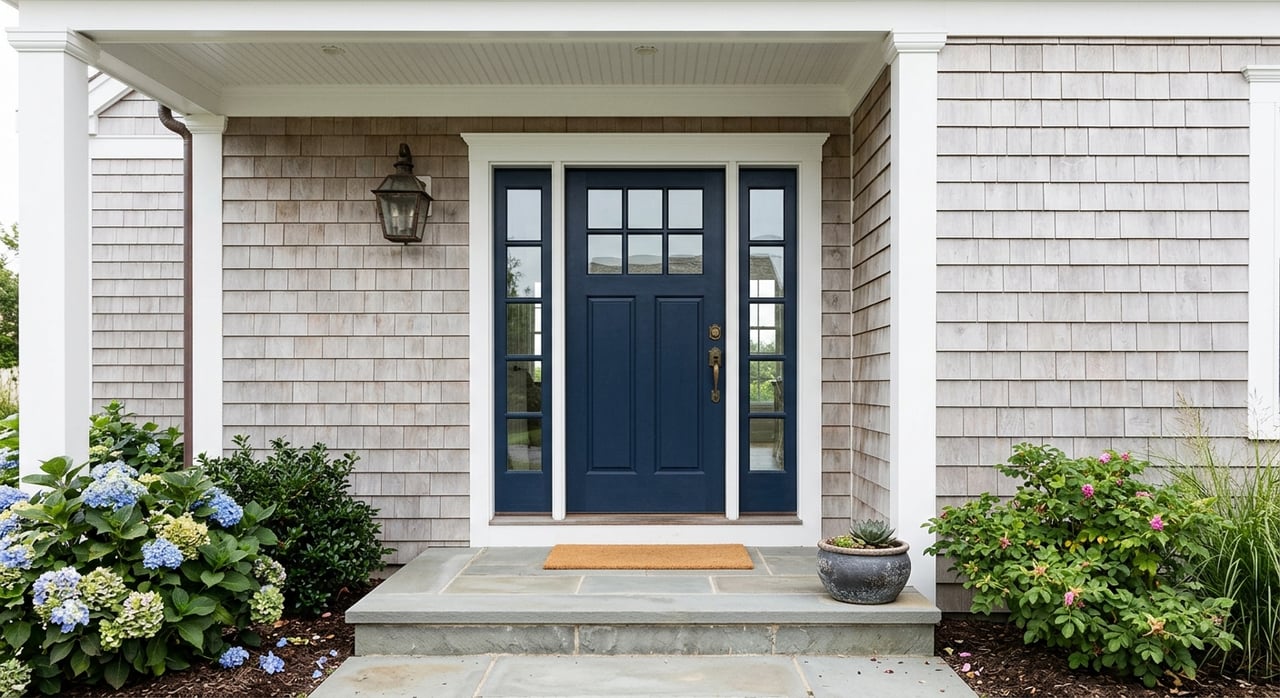
Before you spend on bold upgrades, focus on what buyers notice first. Clean siding, crisp trim, a refreshed front door, and consistent exterior hardware can have more impact than a dramatic style shift. The goal is to make your home feel cared for, balanced, and compatible with its setting.
Prioritize the features buyers read fastest
When someone first pulls up to your home or sees the lead listing photo, they are reading the whole composition at once. In Stonington, that often means the facade, porch, roofline, window proportions, and landscaping matter as much as any one finish choice.
Start with these exterior priorities:
- Clean siding and remove visible grime or salt wear
- Repaint trim where needed
- Refresh the front door in a period-appropriate color
- Match porch details, shutters, and hardware to the home’s style
- Repair anything that looks deferred, even if it seems minor
A tidy, composed exterior signals that the rest of the house has been maintained with the same care.
Refresh landscaping for a coastal look
Landscaping should support the house, not compete with it. Stonington’s design guidance favors plantings that fit the site topography and are compatible with coastal Connecticut. That makes overgrown shrubs, crowded entry beds, and landscaping that blocks windows especially unhelpful when you are getting ready to sell.
Think edited, open, and site-specific. Buyers should be able to see the front elevation clearly, move easily to the entrance, and understand how the home sits on the lot. In a waterfront or village setting, simple landscaping often reads as more elevated than busy landscaping.
What to trim, clear, and simplify
A few focused changes can sharpen curb appeal quickly:
- Cut back shrubs covering windows or porch details
- Remove dead plantings and seasonal clutter
- Define the path to the front door
- Keep lawn edges clean and beds neat
- Use plantings that feel natural to a coastal Connecticut setting
If your home has a stone wall, porch, or view corridor, make sure landscaping frames those elements instead of hiding them.
Let the architecture lead inside
Once buyers step indoors, they should see space, light, and original character first. That is especially important in older Stonington homes, where moldings, fireplaces, built-ins, and windows often do more to create emotional connection than trendy finishes.
A design-forward interior edit does not mean erasing personality. It means reducing visual noise so the best parts of the house can carry the room. Neutral layers, clean textiles, and simpler styling usually help period details stand out.
Choose a quiet, cohesive palette
If your walls, rugs, and accessories all compete for attention, rooms can feel smaller and more fragmented. A restrained palette helps buyers focus on proportion, light, and architectural detail.
For most Stonington homes, that means:
- Soft neutrals instead of sharp, high-contrast color schemes
- Fewer decorative objects on open surfaces
- Clean-lined textiles and simple bedding
- Furniture layouts that preserve easy circulation
The result should feel polished and calm, not sterile.
Stage the rooms that matter most
If you have a limited budget, staging does not need to happen everywhere. The National Association of Realtors’ 2025 staging report found that 29% of seller’s agents saw a 1% to 10% increase in offered value after staging, while 49% saw reduced time on market. The same report found that 83% of buyers’ agents said staging made it easier for buyers to picture the property as their future home.
NAR also identified the top rooms to stage first. If you are prioritizing where to invest, begin with the spaces buyers care about most.
Best rooms to stage first
According to NAR, focus on these rooms in order:
- Living room
- Primary bedroom
- Kitchen
Guest bedrooms ranked lowest in staging priority, so you may not need to fully furnish or style every room. In many Stonington homes, staging fewer rooms well is better than staging the whole house lightly.
Use fewer, larger pieces
Historic homes can feel visually crowded when there are too many small furnishings or accessories. In many cases, fewer larger pieces help rooms feel brighter, more balanced, and easier to understand in photos.
This matters in homes with irregular room shapes, lower ceiling transitions, built-ins, or older floor plans. Buyers should be able to grasp scale quickly and move their eye naturally through the space.
Prepare for photos after the house is ready
Professional media should come after cleaning, repairs, and staging, not before. NAR reports that buyers’ agents view photos, video, and virtual tours as important, and buyers are more likely to tour homes they first connect with online. In a visually driven coastal market, your digital presentation often shapes the first showing decision.
That means every photo should support the home’s story. In Stonington, that story is often about light, architecture, setting, and flow.
What listing photos should highlight
Exterior images should capture:
- The front elevation
- Porch details
- Roofline and window rhythm
- Landscaping and entry sequence
- Water, harbor, or village context when relevant
Interior images should prioritize:
- Natural light
- Easy circulation
- Original details such as millwork, fireplaces, or built-ins
- Rooms that feel open, edited, and intentional
If your home has a complex layout, a waterfront setting, or especially strong historic character, video or a virtual tour can add clarity and value.
Separate quick wins from bigger projects
Not every improvement belongs on the pre-list checklist. If you are selling soon, focus first on updates that improve visual presentation without creating permit delays or budget bloat. Paint, lighting, landscaping, decluttering, and staging are usually the clearest quick wins.
If you are considering more substantial exterior work, check local requirements before starting. Stonington’s building department states that work cannot begin until required building and zoning permits have been issued, and certificate of occupancy decisions depend on zoning compliance.
Smart prep on different timelines
Here is a simple way to think about the work:
| Timeline | Best focus |
|---|---|
| 2 to 6 weeks before listing | Deep cleaning, paint touch-ups, decluttering, landscaping, lighting, staging |
| 2 to 6 months before listing | Exterior repairs, more involved finish updates, layout edits, selective improvements |
| 6 to 12 months before listing | Larger projects that may require permits, inspections, or longer planning |
This approach helps you avoid spending heavily on work that may not be necessary to make a strong first impression.
Keep coastal and historic context in view
Stonington sellers also need to think practically about setting. Town documents note that 71% of Borough land lies in a flood hazard area, and the town records more than 1,500 above-ground historic resources. Those facts do not change how every seller prepares a home, but they do reinforce why local context matters.
In other words, buyers here are not just evaluating finishes. They are evaluating how a property fits into its street, shoreline, or village setting. The best preparation work respects that context while making the home feel move-in ready and visually calm.
The goal is a home that feels true
The strongest listings in Stonington usually do not feel overworked. They feel clear, intentional, and rooted in place. When your preparation choices support the home’s architecture, simplify the presentation, and elevate the listing media, buyers can connect with both the property and the lifestyle more easily.
If you are thinking about selling, we can help you decide what is worth doing, what to skip, and how to present your home with the right balance of design and practicality. For a thoughtful, place-based strategy, Jonathan Shockley can help you prepare your Stonington home for market with clarity and care.
FAQs
What are the best design updates before selling a home in Stonington?
- The most effective updates are usually cosmetic and cohesive: clean siding, fresh trim paint, a refined front entry, tidy coastal-appropriate landscaping, decluttering, and staging that highlights architectural details.
Which rooms should sellers stage first in a Stonington home?
- Based on NAR’s 2025 staging report, sellers should focus first on the living room, primary bedroom, and kitchen.
Do Stonington sellers need permits for exterior home improvements?
- For work beyond basic cosmetic touch-ups, you should check with the town first because Stonington states that required building and zoning permits must be issued before work begins.
How should listing photos present a historic Stonington home?
- Listing photos should emphasize light, circulation, period details, and the home’s exterior context, including porch elements, window proportions, landscaping, and any harbor, village, or waterfront setting when relevant.
Why is design-forward presentation important in the Stonington real estate market?
- In a market defined by coastal character, historic resources, and high-value listings, thoughtful presentation helps buyers understand the home’s quality, context, and appeal more quickly online and in person.