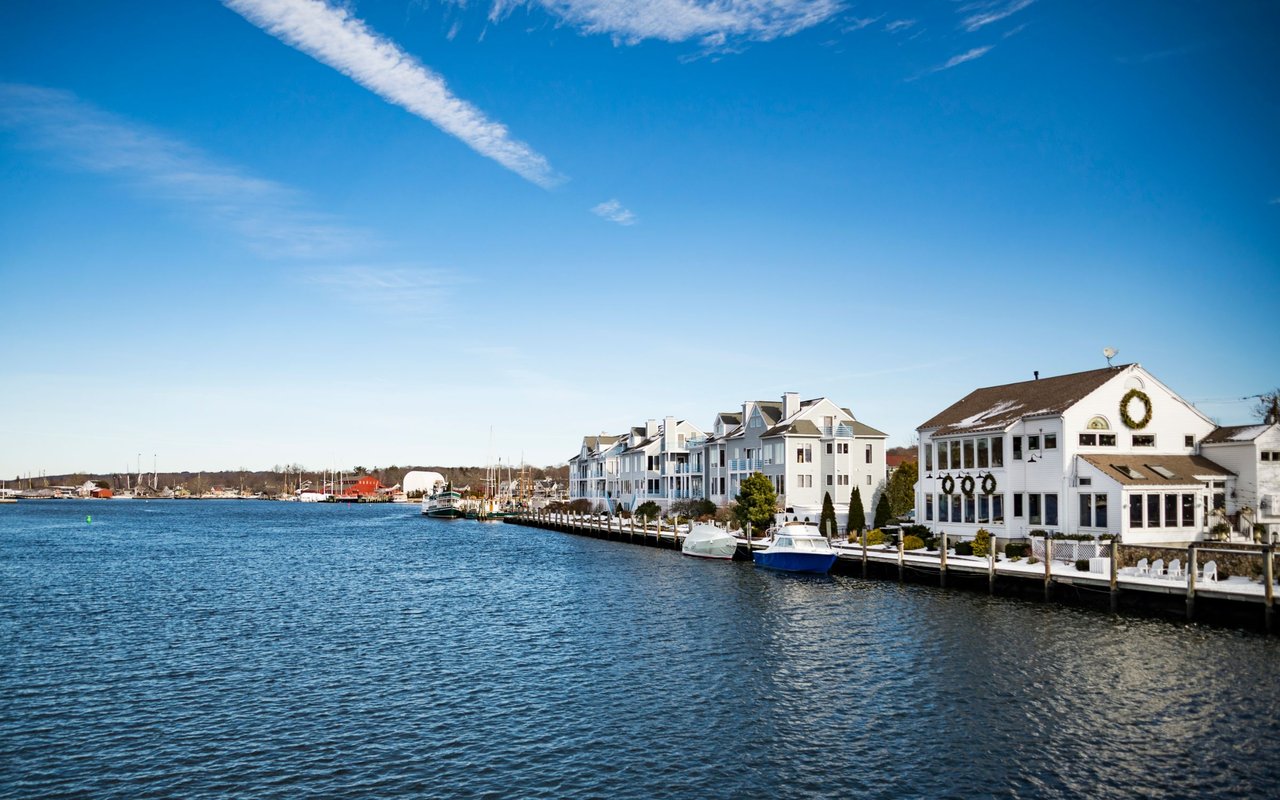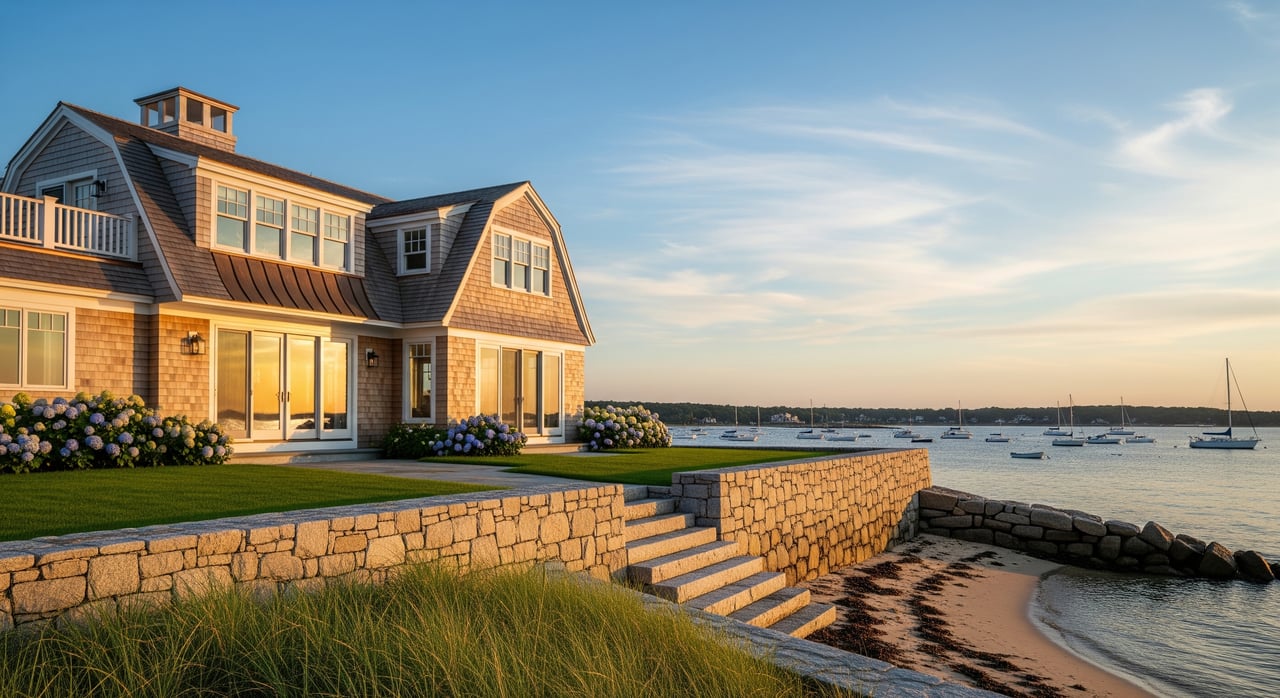
Thinking about buying or renovating on the Stonington coast? Tides, views, and salt air are a dream, but the rules can feel like a maze. You want to improve your home without delays or costly surprises. This guide gives you a clear, high-level map of who regulates what, the most common permit triggers, local touchpoints in Stonington, and smart next steps. Let’s dive in.
Who regulates coastal work
Federal. The U.S. Army Corps of Engineers reviews work in navigable waters and activities that involve structures, dredging, or placing fill in waters of the United States. FEMA’s flood maps and the National Flood Insurance Program set the floor for building elevation and floodproofing in mapped flood zones. NOAA provides technical tools used by planners for sea-level rise and coastal analysis.
State. The Connecticut Department of Energy & Environmental Protection oversees coastal policies and tidal wetlands and often coordinates state review of shoreline projects. DEEP encourages living shorelines where appropriate and provides guidance on coastal resilience and sea-level rise. The Department of Public Health can be involved in septic siting and replacement near coastal resources.
Local. Stonington’s Planning and Zoning Department enforces setbacks, coastal site plan reviews, and coordinates building permits. The Inland Wetlands & Watercourses Agency reviews activities that affect wetlands and regulated upland areas. The Harbor Management Commission and the Harbormaster weigh in on docks, moorings, and navigational safety. Conservation and Shellfish Commissions may comment on habitat, access, and shellfish areas.
Overlap and sequencing. Many projects need approvals from multiple layers. Order matters. Plan for local permits, state tidal wetlands review, possible USACE authorization, and FEMA compliance. Early coordination helps you avoid rework and delays.
Common triggers near the shore
Boundaries and mean high water
Where you work in relation to the mean high water line often determines which agencies are involved. Work seaward of this line usually brings state and federal review. Riparian rights exist but are balanced with public trust and municipal rules. Conflicts over access or accretion can require careful documentation.
Setbacks and coastal overlays
Stonington zoning applies setbacks and buffers near the shoreline and wetlands. These can affect homes, accessory structures, septic fields, and driveways. Parcels vary, so verify your zone and exact measurements on a current survey. Variances may be possible but often face closer scrutiny.
Tidal wetlands and vegetation
Filling, grading, or altering tidal wetlands or their buffers typically requires permits. Even removing shoreline trees or shrubs can raise concerns, since vegetation protects against erosion and supports habitat. Expect agencies to ask for minimal removal and mitigation. Seasonal limits may restrict in-water work to protect fish, shellfish, and birds.
Shoreline structures
Bulkheads, seawalls, and revetments often trigger detailed review because they affect sediment, access, and habitat. Maintenance of an existing structure can be simpler than new work, but it still may require permits or notice. Many reviewers prefer living shoreline designs when feasible. Replacement, expansion, or any work seaward of the existing line needs special attention.
Docks, piers, and moorings
Docks and piers usually need municipal input and state review, and sometimes federal authorization. Locations near shellfish beds, channels, or public-use areas face added considerations. Open-pile designs that allow light and water flow are typically favored. Early conversations with the Harbormaster can save time.
Dredging and beach nourishment
Dredging private basins or access channels almost always requires state and USACE review. Disposal of dredged material has specific rules. Beach nourishment can trigger environmental studies and multi-agency coordination. Expect public notice periods for larger efforts.
Flood zones and building elevation
If your property lies in an AE or VE zone, building and renovation plans must meet elevation and floodproofing standards. Substantial improvement thresholds can require elevating an existing structure. VE zones impose stricter design standards than inland flood zones. Always confirm your base flood elevation and design accordingly.
Stormwater and septic
New impervious surfaces or drainage changes near the shore can require stormwater controls. Septic replacement or relocation close to tidal waters is tightly regulated for water quality. Small coastal lots often need creative siting and careful engineering. Start these conversations early.
Stonington specifics to expect
Local geography and site types
Stonington fronts Little Narragansett Bay, Fishers Island Sound, and the Pawcatuck River. Sites often include salt marsh edges, tidal creeks, and harbor frontage. Many lots are narrow, include tidal wetlands, or fall partly within AE or VE flood zones. This mix drives careful siting and design.
Typical projects that trigger review
Common Stonington projects include repairing older bulkheads and seawalls, adding or replacing docks and moorings, and upgrading septic systems on tight parcels. Substantial remodels or new builds on the water often require elevation and mitigation. View clearing or access paths can trigger erosion and habitat concerns. Plan for layered review when any of these are involved.
Boards and patterns
Expect Harbor Management to comment on dock placement and navigation. Inland Wetlands handles permits for work affecting wetlands or regulated upland areas. Planning and Zoning oversees setbacks, coastal site plan reviews, and variances. The town often favors minimizing hard structures when living shoreline options can meet stabilization goals.
Step-by-step checklists
For buyers doing due diligence
- Check the parcel’s FEMA flood zone and request any elevation certificates.
- Ask for a recent survey showing mean high water, bulkheads, and easements.
- Review maps for tidal wetlands or watercourse features on or near the lot.
- Contact Stonington land-use staff for the property’s permit history and any open issues.
- If you plan future shoreline work, include a feasibility review contingency in your offer.
For homeowners planning work
- Map your project footprint relative to mean high water, wetlands, flood zones, and setbacks. Order a current survey if lines are unclear.
- Schedule a pre-application meeting with Planning and Zoning, the Inland Wetlands Agency, and the Harbormaster to confirm required permits.
- Evaluate alternatives. Living shorelines or soft armoring may be more permit-friendly and resilient.
- Start early. Multi-agency reviews and seasonal in-water work windows can add months.
- Assemble your team: coastal engineer or geologist, licensed surveyor, marine contractor, and an environmental consultant for wetlands if needed.
- Budget for mitigation, monitoring, and final stabilization plantings if required.
Timeline, costs, and pitfalls
Timelines. Straightforward municipal reviews can take weeks to a few months. Projects needing wetlands permits plus DEEP and USACE review can run several months to a year. Seasonal in-water windows can push construction into the next calendar year.
Cost factors. Surveys, wetlands delineation, and engineering studies may run from a few thousand dollars upward for complex shore protection or dredging plans. Application fees vary by agency and scope. Construction costs for seawalls and major structures are high, while softer approaches can be cost-effective depending on site conditions.
Common pitfalls.
- Assuming a simple “repair” is exempt. Scope and location determine permit needs.
- Overlooking overlapping jurisdiction and starting work before all approvals are in hand.
- Designing without verifying the mean high water line or lot boundaries.
- Underestimating time and cost for studies, public notice, and mitigation.
- Ignoring sea-level rise and storm surge in long-term designs.
When to bring in specialists
Call a licensed surveyor to confirm boundaries, setbacks, and mean high water. A coastal engineer or coastal geologist can design shoreline protection, living shorelines, or dock systems suited to site conditions. Engage a marine contractor experienced with local permitting and construction. If your project touches tidal wetlands, consider an environmental consultant to manage delineation and mitigation plans. For disputes over rights, easements, or enforcement, consult a land-use or environmental attorney.
Design-forward resilience tips
Blend compliance with good design. Favor native plantings that stabilize soil and frame views. Choose materials and forms that allow light and water flow where possible. Where conditions allow, living shorelines can improve habitat, reduce reflected wave energy, and support long-term stability. Plan for sea-level rise by elevating critical systems, simplifying maintenance access, and keeping room for adaptation.
Ready to move or improve?
Coastal property should be a joy, not a juggling act. If you are weighing a purchase, planning a remodel, or exploring shoreline work in Stonington, we can help you set a smart course and connect with the right specialists. Request a complimentary home consultation with Jonathan Shockley.
FAQs
What permits do I need to build a dock in Stonington?
- Expect review by the Harbormaster and Harbor Management Commission, state tidal wetlands/coastal programs, and possibly the U.S. Army Corps of Engineers, with final design shaped by location, navigation, and habitat.
How do flood zones affect renovations near the Stonington coast?
- If your home is in an AE or VE zone, substantial improvements can trigger elevation and floodproofing requirements based on base flood elevation and community standards.
Who regulates seawalls and bulkheads in Stonington?
- Shoreline structures typically need local approvals, state tidal wetlands/coastal permits, and may require federal authorization if work occurs in navigable waters or places fill.
What is the mean high water line and why does it matter?
- The mean high water line often marks the boundary for stronger state and federal jurisdiction; work seaward of this line usually faces more direct review and permitting.
How long do coastal permits take in Stonington?
- Simple local reviews can be completed in weeks, while multi-agency projects can take several months to a year, plus possible seasonal construction limits.
When should I hire a coastal engineer for my project?
- Bring in a coastal engineer early if you are considering shoreline stabilization, a dock, or work near tidal wetlands to evaluate alternatives and streamline approvals.
Does removing vegetation for views require approval in Stonington?
- It can, especially near tidal wetlands or the shoreline; agencies often limit removal and require mitigation to protect erosion control and habitat.