Salt air in the morning, seagulls over the harbor, and a short walk to coffee can set the tone for your day in Stonington. If you are picturing a life that balances calm water views with practical convenience, you are in the right place. This guide walks you through what everyday coastal living feels like here, from morning routines to boating basics, seasons, and buyer must-knows. You will come away with a clear picture of life by the water and the questions to ask as you plan your move. Let’s dive in.
What coastal living feels like
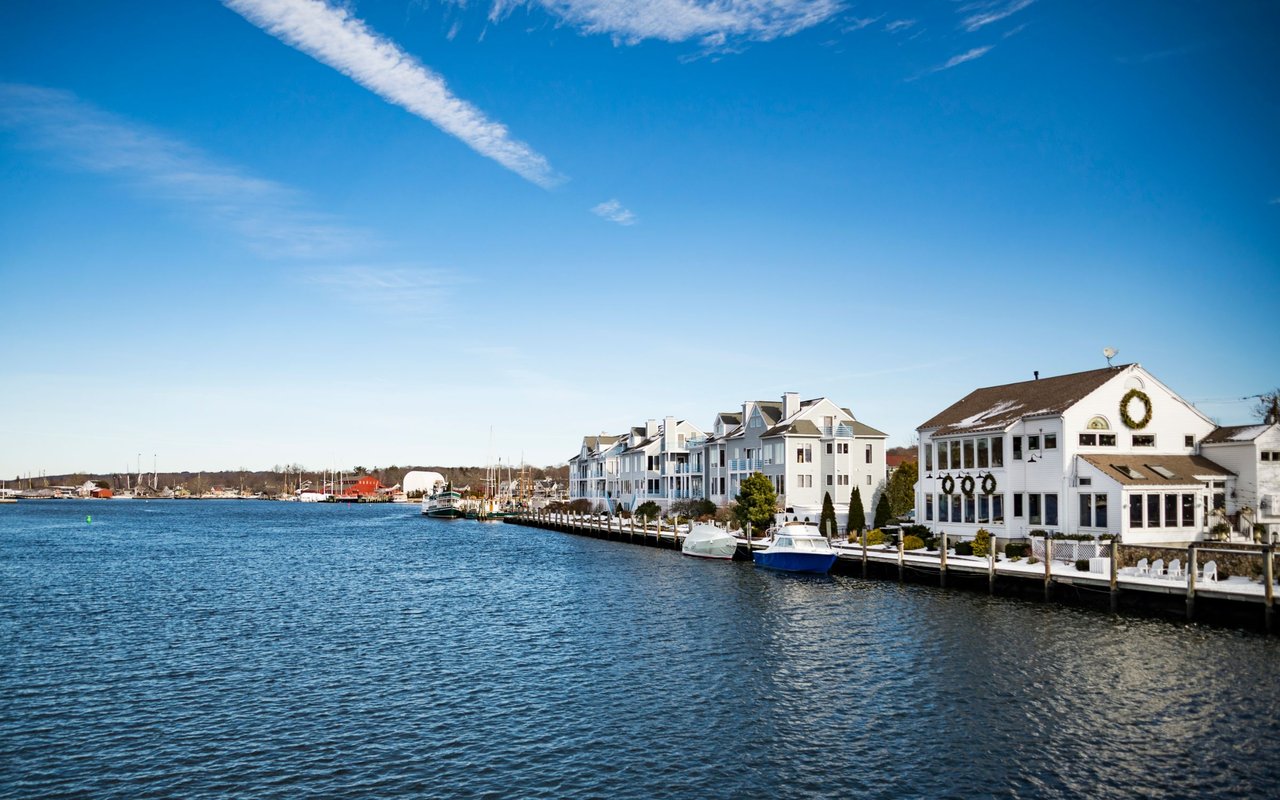
Stonington sits in southeastern Connecticut, where village streets meet the harbor and Long Island Sound. The compact borough at the water’s edge is walkable for coffee, a bite to eat, and errands. Inland neighborhoods offer more space and a quieter setting while still keeping you close to the coast.
You will feel the town’s maritime roots in the boats, the historic architecture, and the small, independent shops and galleries. Daily life leans outdoors. Many residents fit in a harbor walk, a paddle, or a sunset viewing, then settle into a relaxed evening at home or a local restaurant.
Mornings by the harbor
Start your day with a shoreline walk where the light changes minute by minute. On most mornings you will see dog walkers, runners, and neighbors catching up. A coffee or bakery stop is an easy routine, and seasonal farmers’ markets add fresh produce and local goods when the weather warms.
Errands are simple at village scale. You can pick up specialty groceries, visit a gallery, and be back home in minutes. If you work remotely, you will find plenty of quiet nooks for a productive morning before lunch by the water.
Getting around and commute options
You have quick access to I-95 for regional drives. Many residents commute to New London, Groton, or the Providence area, and some go farther with rail connections in nearby towns. Travel patterns change with the season, so plan a test run at your usual commute time.
If you work from home, confirm internet providers and speeds by address. Service can vary by neighborhood, especially closer to the shoreline where some homes have unique utility setups. Plan ahead if a reliable video call is a daily must.
Boating and water access
Boating is a core part of life here. You will find options to keep a small craft, secure a slip or mooring, or launch a kayak on a calm morning. Demand rises in summer, so expect waitlists or seasonal timelines for some marinas.
Rules for moorings, shellfishing, and boat launches are set and overseen by the town and state agencies. Before you buy gear or plan a full season on the water, get current guidance from the town harbormaster and the Connecticut Department of Energy and Environmental Protection. They can explain local permits, seasonal closures, and the best way to access the water safely.
Dining, arts, and weekly rhythms
The food scene leans into fresh seafood and harbor views. You can enjoy casual spots or a sit-down dinner, with expanded hours in summer and a cozy, local feel in the off-season. Many restaurants stay open year-round to serve residents once the visitors leave.
Galleries, small festivals, and community events help shape your weekends. You might pair a morning market visit with an afternoon on the water, then end the day with a quiet neighborhood stroll. Check local calendars for seasonal concerts, art shows, and civic events.
Summer vs. the off-season
Summer is lively. Waterfront activity peaks, shops extend hours, and visitor traffic increases. Parking can take time in the busiest weeks, so build a few extra minutes into your plans.
The off-season shifts to a neighborly pace. You will enjoy open tables, shorter lines, and the comfort of a familiar routine. Some small businesses shorten hours, and that makes it a great time to explore at your own speed.
Homes and neighborhoods at a glance
Housing types range from historic village homes to cottages, condos, and larger single-family homes inland. Some properties serve as second homes, and others are year-round residences. Inventory and pricing change season by season, so connect with a local advisor for current listings and neighborhood context.
If you are eyeing the waterfront, expect more variation from one property to the next. Access, elevation, and shoreline conditions can change block by block. A careful review of lot lines, flood considerations, and utility details will help you compare options clearly.
Coastal risk, insurance, and maintenance
Living by the water is practical year-round, but it comes with planning. Some properties sit in FEMA-designated flood zones, which can affect insurance and building requirements. Review FEMA flood maps and speak with your insurance professional to understand premiums, elevation, and any mitigation steps.
Salt air and storms raise normal upkeep. Roofs, paint, and exterior metals may need attention on a tighter cycle. Winter brings freezing conditions, so protect pipes and be ready for occasional snow and ice. Ask about local code requirements and recommended reinforcements for wind or hurricane conditions.
Utilities, taxes, and services
Property taxes and municipal fees are set by the town and can vary by district. Review the assessor’s information before you buy and include tax projections in your budget. Garbage, recycling, and snow removal are managed by the town, with schedules posted on the municipal website.
Utilities vary by area. Some coastal homes use private wells or septic systems, and sewer availability depends on location. If remote work is key, confirm broadband availability and speed for your exact address.
Schools and health care
Families benefit from making direct visits to local public schools and reviewing the latest information from the Connecticut State Department of Education. Enrollment details and program offerings change year to year, so verify current data before you decide.
For health care, you have access to hospitals and urgent care within a short drive in the region. Seniors and caregivers should also explore local providers and long-term care options to plan ahead.
A day-in-the-life sampler
Morning: Harbor walk, coffee, and a stop at a small market.
Midday: Remote work session or a commute to nearby employment centers. On a day off, a paddle or a bike ride fits in easily.
Afternoon: Errands, a gallery visit, or time on the boat. If you are a shellfishing enthusiast, check current rules before you head out.
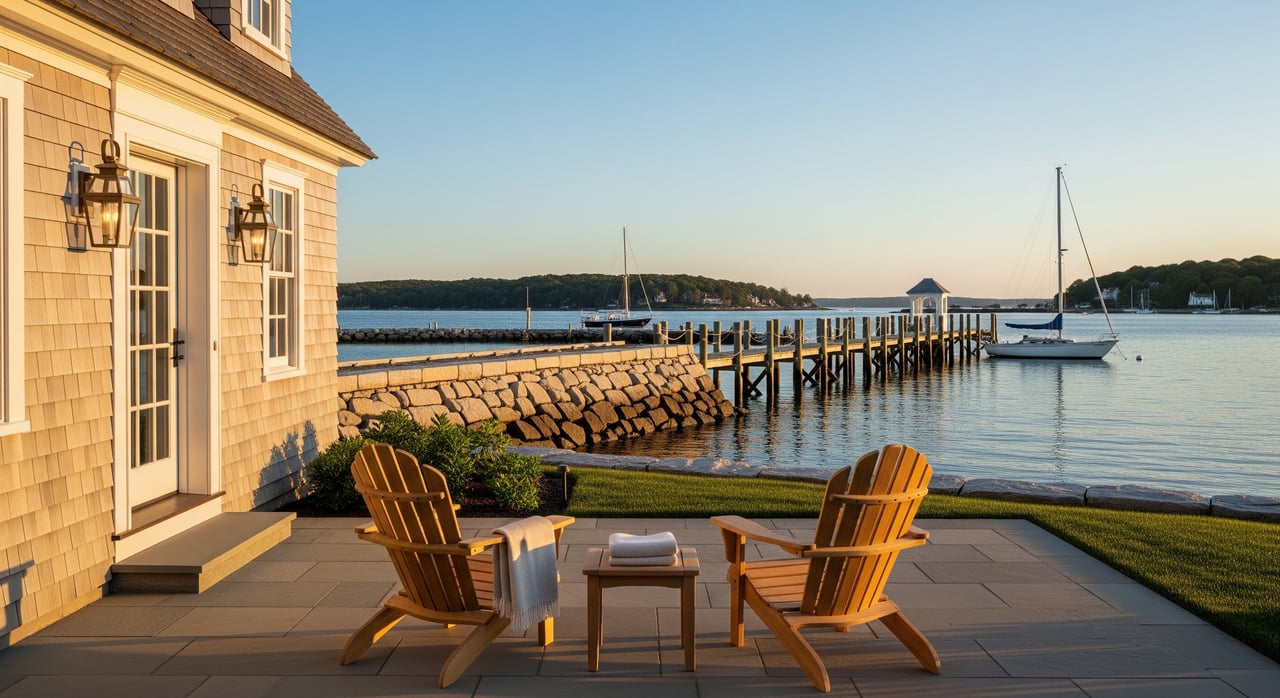
Evening: Dinner at a local spot or a home-cooked meal with a view, then a quiet stroll as the light fades over the water.
Buyer checklist for coastal confidence
- Confirm flood zone status, elevation, and insurance needs for each property.
- Review utility setup: public water or well, public sewer or septic, and broadband options.
- Ask about exterior maintenance history, roof age, window condition, and storm protections.
- Verify parking, storage for water gear, and proximity to launches or marinas.
- If you plan to rent seasonally, review local rules and permit requirements.
How we help you move with ease
You deserve a process that matches the lifestyle you are choosing. Our team pairs design-forward presentation with deep local knowledge so you can see how each home lives day to day. We guide you through coastal specifics like flood considerations, permitting nuances, and seasonal patterns. With two licensed agents working in tandem, you have clear communication and steady support from search to closing.
If you are selling, we stage and photograph with a curator’s eye so buyers can picture their life here. If you are buying, we share neighborhood context, walkability notes, and practical insights that help you compare homes beyond the basics.
Ready to explore coastal living in Stonington or nearby micro-markets? Connect with Jonathan Shockley to start a conversation.
FAQs
Is year-round coastal living in Stonington practical?
- Yes. Many residents live here year-round. Plan for flood risk, winter weather, and seasonal visitor patterns, and confirm insurance and maintenance needs by address.
How walkable is Stonington for daily errands?
- The borough near the harbor is generally walkable for coffee, dining, and small errands. Inland neighborhoods are more car-dependent but offer quick access to the coast.
What should buyers know about flood zones in Stonington?
- Some coastal properties sit in FEMA-designated flood areas that can affect insurance and building rules. Review FEMA maps and get quotes from an insurance professional.
Are moorings and slips available for boaters?
- Availability changes seasonally. Contact the town harbormaster and local marinas for current waitlists, resident rules, fees, and launch options.
What are commute options from Stonington to regional jobs?
- Drivers use I-95 for access to New London, Groton, and the Providence area. Rail connections in nearby towns expand options for longer trips.
What housing types are common near the water?
- You will find historic village homes, cottages, condos, and single-family properties. Each location differs on elevation, utilities, and water access, so review details closely.